In this article, you will discover the essential tips and techniques to sand wood like a pro. Whether you’re a beginner or an experienced woodworker, achieving a smooth, flawless finish is crucial to any woodworking project. From selecting the right sandpaper grit to mastering the proper sanding strokes, this ultimate guide will equip you with the knowledge and skills to transform your wooden surfaces into stunning works of art. Get ready to take your woodworking game to the next level and create beautiful, polished pieces that will leave everyone in awe.
Choosing the Right Sandpaper
Determining the Grit
When it comes to sanding wood, choosing the right sandpaper is crucial. One of the most important factors to consider is the grit. Grit refers to the coarseness of the sandpaper, and it determines how much material will be removed from the wood surface. The higher the grit number, the finer the sandpaper. For example, sandpaper with a grit of 80 is considered coarse, while sandpaper with a grit of 220 is considered fine.
To determine the right grit for your project, you need to consider the current condition of the wood, the desired level of smoothness, and the type of finish you plan to apply. If you’re dealing with rough or uneven surfaces, you may start with a lower grit sandpaper and gradually work your way up to finer grits for a smoother finish. On the other hand, if you’re working with a relatively smooth surface and just need to remove some imperfections, you can start with a higher grit sandpaper.
Understanding Sandpaper Types
In addition to grit, it’s also important to understand the different types of sandpaper available. The most common types are garnet, aluminum oxide, and silicon carbide.
Garnet sandpaper is a good all-purpose option, suitable for both hand and power sanding. It is cost-effective and works well for sanding bare wood.
Aluminum oxide sandpaper is known for its durability and versatility. It’s suitable for sanding a wide range of materials, including wood, metal, and plastic. This type of sandpaper is available in various grits and is great for both hand and power sanding.
Silicon carbide sandpaper is ideal for sanding harder materials like stone, glass, or ceramic. It is extremely sharp and can handle more aggressive sanding tasks. However, keep in mind that it might be too aggressive for delicate wood surfaces, so use it with caution.
Considering Coarseness and Fineness
Apart from grit and sandpaper types, the coarseness and fineness of the sandpaper also play a significant role in achieving the desired results. Coarseness refers to the size of the abrasive particles on the sandpaper. Coarser sandpapers, such as those with lower grit numbers, have larger abrasive particles, which can remove material more aggressively. Finer sandpapers, on the other hand, have smaller abrasive particles, allowing for smoother and more refined sanding.
When choosing sandpaper based on coarseness and fineness, consider the project requirements and the extent of material removal needed. If you’re working on a rough surface or need to remove a lot of material, start with a coarser sandpaper. As you progress and the surface becomes smoother, switch to finer sandpaper for a polished finish.
Prepping the Wood Surface
Cleaning the Wood
Before you start sanding, it’s essential to thoroughly clean the wood surface. Any dirt, grease, or debris can interfere with the sanding process and result in an uneven finish. Begin by removing any loose dirt or dust using a soft-bristle brush or a cloth. Next, wipe the surface with a mild detergent or wood cleaner to remove any stubborn stains or residues. Make sure to dry the wood completely before proceeding to the next step.
Removing Existing Coatings
If the wood surface has an existing finish, such as paint or varnish, it’s important to remove it before sanding. This will ensure that the new finish adheres properly and the final result is smooth and flawless. There are several methods to remove existing coatings, including using a chemical stripper, sanding with coarse sandpaper, or using a heat gun. Choose the method that is most suitable for the type of coating and the condition of the wood.
When using a chemical stripper, follow the manufacturer’s instructions carefully and wear protective gloves and eyewear. Apply the stripper evenly on the surface and allow it to penetrate the coating. Once the coating starts to bubble or loosen, use a plastic scraper to remove it.
If you prefer sanding, start with a coarse-grit sandpaper to remove the majority of the coating. Gradually switch to finer grits as you approach the bare wood. Take care not to apply too much pressure, as it can damage the wood.
Repairing Any Damage
Before sanding, it’s important to inspect the wood surface for any damage, such as cracks, dents, or holes. These imperfections can affect the final result and may need to be repaired before sanding. Depending on the severity of the damage, you can use wood fillers, putty, or epoxy to fix the issues. Follow the manufacturer’s instructions when using these products and ensure that they are completely dry and cured before proceeding with sanding.

Selecting the Right Sanding Tool
Identifying Hand Sanding Tools
Hand sanding tools are essential for smaller projects or when you need more control over the sanding process. Some commonly used hand sanding tools include sanding blocks, sanding sponges, and sanding sheets.
Sanding blocks are rectangular blocks made of either wood or plastic, with a flat surface for attaching sandpaper. They provide a sturdy base for sanding and allow for even pressure distribution. Sanding sponges are similar to sanding blocks but have a soft and flexible surface, making them suitable for sanding curved or contoured surfaces. Sanding sheets are large pieces of sandpaper that can be cut to size and attached to a sanding block or used by hand.
When choosing a hand sanding tool, consider the size and shape of the project, as well as your own comfort and grip preferences. Experiment with different tools to find the one that feels the most comfortable and allows you to achieve the desired results.
Exploring Power Sanding Tools
Power sanding tools are ideal for larger projects or when you need to cover a large surface area quickly. These tools are powered by electricity or batteries and provide more efficiency and speed compared to hand sanding. There are various types of power sanders available, each with its own advantages and applications.
Belt sanders are powerful sanding tools that use a continuous loop of sandpaper wrapped around two cylindrical drums. They are great for removing material quickly and efficiently, making them suitable for rough or uneven surfaces. However, belt sanders can be aggressive, so it’s important to use them with caution and follow the grain of the wood to prevent damage.
Orbital sanders, also known as random orbit sanders, combine the efficiency of a belt sander with the smoothness of a finishing sander. They operate by simultaneously rotating the sanding disk in small circles while also moving it in an orbital motion. This creates a random sanding pattern, reducing the likelihood of sanding marks. Orbital sanders are versatile and suitable for most sanding tasks, making them a popular choice among DIY enthusiasts and professionals alike.
Choosing the Best Tool for the Job
When selecting a sanding tool for your project, it’s important to consider factors such as the size of the project, the level of precision required, and your own experience and comfort with power tools. Hand sanding tools provide more control and flexibility, while power sanding tools offer efficiency and speed. Ultimately, the best tool for the job depends on your personal preferences and the specific requirements of your project.
Using Hand Sanding Techniques
Mastering the Basics
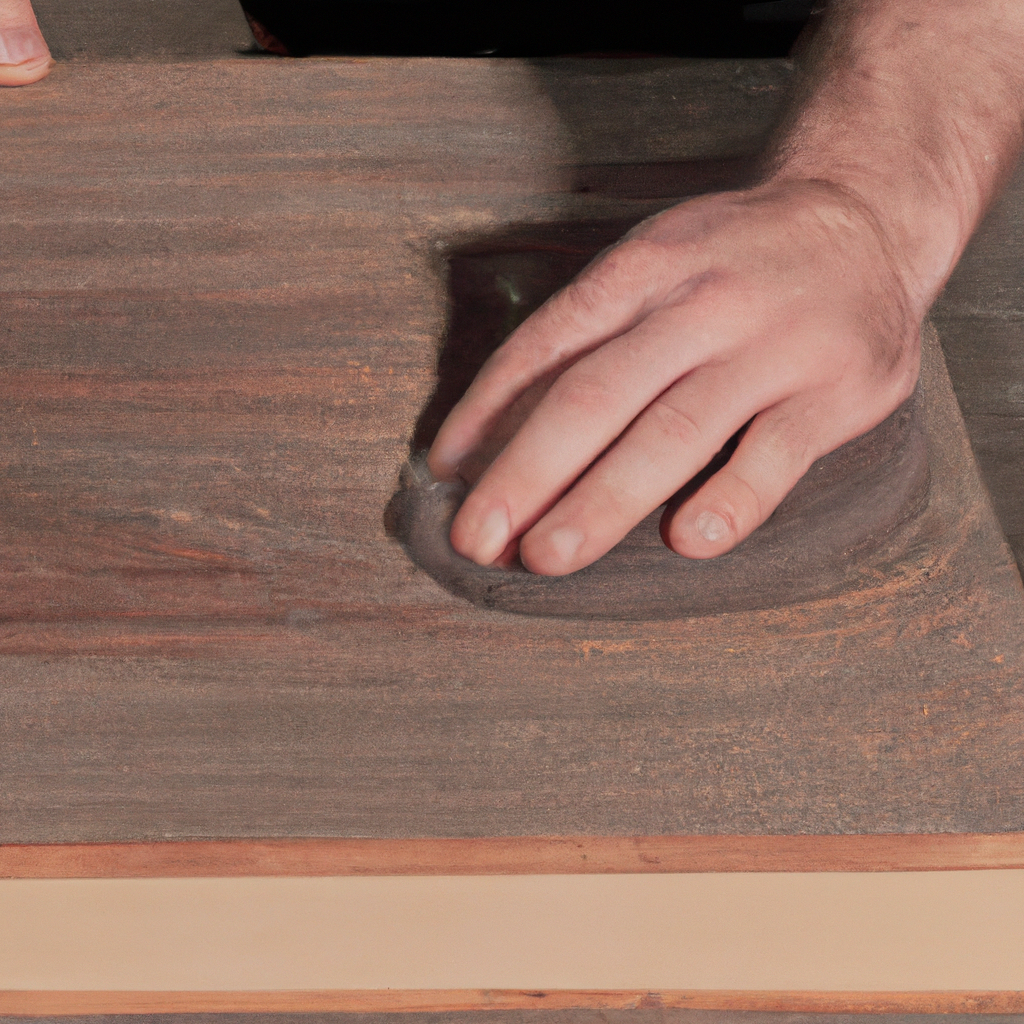
Hand sanding requires some skill and technique to achieve smooth and even results. Start by attaching the appropriate grit sandpaper to your sanding block, sponge, or sheet. Hold the tool firmly but not too tightly, maintaining a comfortable grip.
When sanding, move the tool in the direction of the wood grain to avoid creating unnecessary scratches or swirl marks. Apply even pressure and make long, smooth strokes. Avoid pressing too hard, as it can cause uneven sanding and damage the wood surface.
Achieving a Smooth Finish
To achieve a smooth finish, gradually progress through different grits of sandpaper, starting with a coarser grit to remove imperfections and gradually moving to finer grits for a polished look. Each subsequent grit should remove the scratches left by the previous one, resulting in a progressively smoother surface.
Between each grit change, be sure to thoroughly clean the wood surface to remove any dust or debris that could interfere with the sanding process. A clean surface ensures better adhesion of finishes and contributes to a more professional finish.
Avoiding Common Mistakes
When hand sanding, it’s important to avoid common mistakes that can compromise the final result. One common mistake is sanding too aggressively or applying too much pressure, which can create uneven surfaces or damage the wood. Instead, apply gentle and consistent pressure, allowing the sandpaper to do its job.
Another mistake to avoid is neglecting to change the sandpaper when it becomes worn or clogged. Worn sandpaper can become less effective, leaving behind scratches or an inconsistent finish. Regularly inspect the sandpaper and replace it as needed to maintain optimal sanding performance.

Mastering Power Sanding
Getting to Know Different Power Sanders
Power sanders are efficient and powerful tools that can save you time and effort when sanding wood. Before using a power sander, it’s important to understand the different types and their specific applications.
Belt sanders, as mentioned earlier, are known for their aggressive material removal capabilities. They feature a continuous loop of sandpaper wrapped around two drums, which rotate rapidly to quickly remove material. Belt sanders are ideal for large, flat surfaces or rough stock removal.
Orbital sanders, on the other hand, are more versatile and suitable for a wide range of tasks. They combine rotary and orbital motions to provide a random sanding pattern, reducing the risk of sanding marks. Orbital sanders are great for both material removal and finish sanding.
Other power sanders include detail sanders, which are designed for sanding in tight or hard-to-reach areas, and drum sanders, which are mainly used for sanding floors. Each type of power sander has its own strengths and limitations, so it’s important to choose the right one for your specific project.
Using a Belt Sander
When using a belt sander, it’s crucial to practice caution and use the tool correctly to avoid damage to the wood or injury. Start by securely clamping the wood to a workbench or table to prevent movement during sanding. Make sure to wear protective gear, including safety goggles and a dust mask.
Before starting the belt sander, position it slightly above the wood surface to prevent gouging or damaging the wood. Activate the sander and gradually lower it onto the wood, moving it in the direction of the grain. Keep the sander moving at a steady pace to avoid sanding marks or uneven surfaces.
For large, flat surfaces, make overlapping passes with the belt sander, ensuring that each pass blends smoothly into the next. Take breaks periodically to check the progress and prevent overheating of the tool. Once the desired level of material removal is achieved, switch to a finer grit sandpaper or a different sanding tool for finish sanding.
Working with an Orbital Sander
Orbital sanders are more forgiving and easier to control compared to belt sanders. However, proper technique and safety precautions are still essential for achieving optimal results. Start by attaching the appropriate grit sandpaper to the sanding pad, making sure it is securely fastened.
Before turning on the orbital sander, place it on the wood surface to ensure that it’s stable and won’t accidentally scratch or damage the wood. Once you’re ready to begin, activate the sander and move it in a random circular or back-and-forth motion. Avoid applying excessive pressure, as the weight of the sander should be sufficient for effective sanding.
To achieve a more uniform finish, make sure to overlap each pass slightly. It’s also important to keep the sander moving at all times to prevent sanding marks. Regularly check the progress and switch to finer grits as needed for a smoother finish.
Sanding Techniques for Different Projects
Sanding Flat Surfaces
Sanding flat surfaces, such as tabletops or cabinet doors, requires consistent and even sanding technique. Start by selecting the appropriate sanding tool, whether it’s a sanding block, sanding sponge, or power sander. Begin with a lower grit sandpaper to remove any imperfections or old finishes, sanding in the direction of the grain.
Once the surface is relatively smooth, progress to finer grits of sandpaper for a polished finish. Make sure to remove any dust or debris between each grit change to prevent scratches or blemishes. Take your time and maintain a steady pace to achieve an even and uniform result.
Sanding Curved Surfaces
Sanding curved surfaces, such as chair legs or rounded edges, requires a different approach compared to flat surfaces. For hand sanding, consider using a sanding sponge, as its flexibility allows it to conform to the shape of the curve. If using a power sander, opt for an orbital sander with a smaller sanding pad to reach tight areas.
When sanding curved surfaces, pay close attention to the direction of the grain and work in the same direction to avoid tearing the wood. Apply gentle and even pressure, making smooth and flowing motions. Take extra care near the edges or delicate areas to prevent over-sanding or damaging the wood.
Sanding Edges and Corners
Sanding edges and corners can be challenging, as it requires precision and attention to detail. For hand sanding, wrap the sandpaper around a sanding block or use a sanding sponge with a pointed tip to reach into corners. Be careful not to sand too aggressively, as it can round off or damage the edges.
Power sanders with narrow sanding attachments or detail sanders are great options for sanding edges and corners. They allow for more control and precision compared to larger sanding tools. When using a power sander, move it gently along the edges and corners, ensuring that the sanding pad is in constant contact with the wood.
Tips for Efficient Sanding
Creating a Workstation
Setting up a designated workstation for your sanding projects can greatly improve efficiency and organization. Find a clean and well-lit area with enough space to work comfortably. Consider using a sturdy workbench or table with clamps to secure the wood during sanding.
Arrange your sanding tools and supplies within easy reach, including sandpaper, sanding blocks, or power sanders. Keep a trash bin nearby to dispose of used sandpaper or other waste. Having a dedicated workstation not only helps you stay organized but also minimizes the risk of accidents or misplaced tools.
Reducing Dust and Debris
Sanding wood can create a significant amount of dust and debris, which can be messy and potentially harmful if inhaled. To reduce dust, consider using sandpaper with a built-in dust collection feature or attach a vacuum cleaner to your power sander, if possible.
Wearing a dust mask is essential to protect your respiratory system from fine particles. Safety goggles should also be worn to shield your eyes from flying debris. If sanding indoors, consider covering nearby furniture or objects with plastic sheets to prevent dust accumulation.
Working in Stages
For larger projects or projects with multiple wood surfaces, it’s best to work in stages to avoid feeling overwhelmed or rushing through the sanding process. Break down the project into manageable sections and focus on one section at a time.
Start with the rougher sandpaper to remove imperfections and gradually progress to finer grits for a smoother finish. Take breaks to assess your progress, clean the wood surface, and switch sandpaper as needed. Working in stages allows you to maintain focus and achieve consistent results throughout the entire project.
Sanding Safety Precautions
Using Protective Gear
Sanding wood can be a messy and potentially hazardous task, so it’s important to prioritize safety. Start by wearing protective gear, including safety goggles to shield your eyes from flying debris and a dust mask to prevent inhalation of fine particles.
If you’re working with power sanders, consider wearing ear protection as they can produce noise levels that may be damaging to your hearing. Additionally, wearing gloves can help protect your hands from splinters or accidental contact with the sanding tool.
Ensuring Proper Ventilation
When sanding indoors or in enclosed spaces, ensure proper ventilation to prevent the buildup of dust and harmful fumes. Open windows and doors to allow fresh air to circulate, or use a fan to create airflow. This helps remove airborne particles and keeps the workspace well-ventilated.
If sanding with chemicals, such as paint strippers or wood cleaners, make sure to read and follow the manufacturer’s instructions for proper ventilation requirements. Some chemicals may require additional precautions or the use of a respirator.
Handling and Storing Sandpaper
While sandpaper may seem like a harmless tool, it’s important to handle and store it properly to prevent accidents or damage. Always keep sandpaper away from children and pets, as they may unintentionally injure themselves with the abrasive surface.
When not in use, store sandpaper in a dry and clean area to prevent moisture or dust accumulation. Consider using a sandpaper organizer or binder to keep different grits organized and easily accessible. Proper handling and storage of sandpaper contribute to its longevity and effectiveness.

Troubleshooting Common Sanding Issues
Dealing with Sanding Marks
Sanding marks can occur if the sandpaper is not used correctly or if the surface is uneven. To address sanding marks, start by identifying the cause. If using a power sander, make sure you are moving it in a fluid and consistent motion, avoiding sudden changes in direction or speed.
If sanding marks persist, try switching to a finer grit sandpaper and gradually work your way up to remove the scratches left by the previous grit. Make sure to remove any dust or debris between sanding stages to prevent scratches or blemishes.
Addressing Uneven Sanding
Uneven sanding is another common issue that can result from sanding with inconsistent pressure or using sandpaper that is clogged or worn. To address uneven sanding, start by inspecting the surface for areas that require more attention. Focus on these areas by applying even pressure and making consistent strokes.
If sanding by hand, consider using a sanding block or sponge to ensure even pressure distribution. When using a power sander, take care to keep it level and apply consistent pressure to prevent uneven sanding. Regularly check the progress and adjust your technique or switch to a different sanding tool as needed.
Fixing Wood Grain Tearout
Wood grain tearout occurs when the sanding process damages or splinters the wood grain. It often happens when sanding against the grain or using sandpaper with an inappropriate coarseness. To fix wood grain tearout, start by switching to a finer grit sandpaper and sanding in the direction of the grain.
If the tearout is severe or deep, you may need to use a wood filler to fill in the damaged areas. After applying the wood filler and allowing it to dry, sand the surface again with fine-grit sandpaper to smooth out any imperfections. Follow up with the appropriate finish to achieve a seamless and polished look.
Finishing Touches
Preparing the Wood for Finishing
After sanding, it’s important to prepare the wood surface properly for the application of finishes. Start by thoroughly cleaning the wood surface to remove any dust or debris. Use a soft brush or a tack cloth to remove any particles that may have settled on the surface.
Next, inspect the wood for any imperfections or rough areas. If necessary, touch up the surface with fine-grit sandpaper to achieve a smooth and uniform finish. Once the wood is clean and smooth, it’s ready for the application of finishes.
Applying a Finish Coat
The type of finish you choose depends on your specific project and the desired look. Common wood finishes include oil-based finishes, water-based finishes, and varnishes. Each type has its own characteristics and application techniques, so it’s important to follow the manufacturer’s instructions.
Before applying the finish coat, make sure the wood surface is completely dry and dust-free. Use a clean brush or cloth to apply the finish in even and thin layers, following the grain of the wood. Allow each coat to dry before applying subsequent coats, and lightly sand between coats to achieve a smooth and consistent finish.
Achieving a Professional Look
To achieve a professional look, pay attention to the details and take your time during the sanding and finishing process. Be patient and thorough, starting with the appropriate grit sandpaper and gradually working your way to finer grits for a polished finish.
Regularly inspect the wood surface and make any necessary repairs or touch-ups. Clean the surface between sanding stages to ensure a smooth and even result. When applying the finish, follow the manufacturer’s instructions and take care to apply thin and even coats for a professional look.
With the right techniques, tools, and attention to detail, you can achieve outstanding results and sand wood like a pro. Take your time, practice the recommended techniques, and enjoy the process of transforming rough wood into a beautifully finished masterpiece.