
You’re about to discover a wealth of knowledge on how to achieve maximum bond strength when working with wood glue. Whether you’re a seasoned woodworker or just getting started, these techniques are essential for ensuring your projects stand the test of time. From proper surface preparation to choosing the right type of glue, we’ll guide you through the steps to create a strong and durable bond between your wood pieces. So, grab your glue and let’s dive into the world of wood glue techniques for maximum bond strength.
Choosing the Right Wood Glue
When it comes to choosing the right wood glue for your project, it’s important to understand the different types available. There are several common types of wood glue, including white glue, yellow glue, polyvinyl acetate (PVA) glue, and epoxy glue. Each type has its own unique properties and characteristics, so it’s essential to select the one that best suits your specific project requirements.
Understanding Different Types of Wood Glue
White glue, also known as carpenter’s glue, is a popular choice for woodworking projects. It is non-toxic, easy to use, and dries clear. Yellow glue, or aliphatic resin glue, is another widely used wood glue that offers a strong bond and has a longer working time compared to white glue. PVA glue, which is available as both white and yellow glue, is water-based and provides excellent adhesion to wood surfaces. Epoxy glue, on the other hand, is a two-part adhesive that offers exceptional strength and durability, making it ideal for complex or heavy-duty woodworking projects.
Considering the Project Requirements
When selecting wood glue, it’s essential to consider the specific requirements of your project. If you’re working on interior pieces that won’t be exposed to moisture or extreme temperatures, standard wood glues like white glue or yellow glue will suffice. However, if you’re building outdoor furniture or constructing something that requires water resistance, opting for a waterproof PVA glue or epoxy glue would be a better choice. Additionally, consider the type of wood you’re using, as certain glues work better with different wood species.
Evaluating Glue Strength and Drying Time
Glue strength and drying time are crucial factors to consider when choosing the right wood glue. Different types of wood glue offer varying levels of bond strength, so be sure to select a glue that suits the demands of your project. Additionally, take into account the drying time of the glue. Some glues set and dry quickly, allowing for faster project completion, while others take longer to cure. Consider your project timeline and the amount of working time you need to ensure you select a glue that matches your requirements.
Exploring Specialty Wood Glues
In addition to the common types of wood glue, there are specialty wood glues available for specific applications. These specialty glues include veneer glue, which is designed for bonding thin wood veneers, and gap-filling glue, which is ideal for filling larger gaps or cracks in wood joints. Additionally, there are hybrid glues that combine the advantages of different glue types, such as PVA glue with added epoxy for enhanced strength. Explore these specialty glues to find the best option for your unique woodworking needs.
Preparing the Surfaces
Before applying wood glue, proper surface preparation is essential to maximize the strength and longevity of the bond. Follow these steps to ensure a clean and smooth surface for optimal glue adhesion.
Cleaning and Removing Dust
Start by cleaning the surfaces that will be glued. Remove any dirt, dust, or grease using a cloth or brush. Pay close attention to corners and crevices where debris tends to accumulate. This step ensures that the glue adheres directly to the wood, rather than bonding to any contaminants on the surface.
Planing and Sanding the Wood
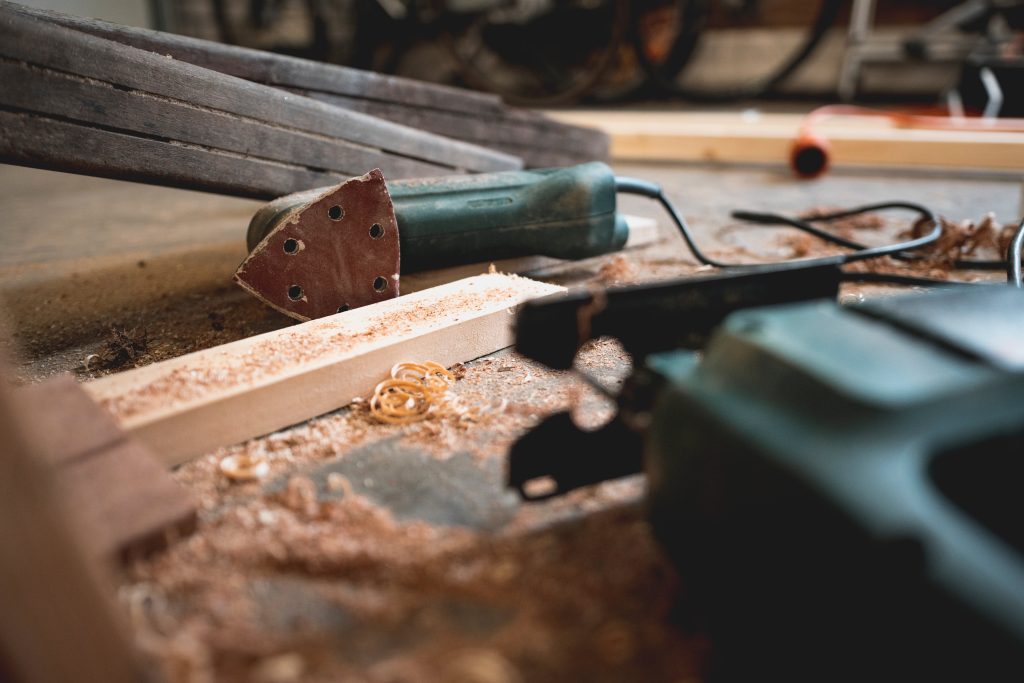
Next, ensure that the wood surfaces are smooth and free from any imperfections. Use a plane or sander to remove any bumps, rough spots, or uneven areas. Properly planing and sanding the wood not only improves the appearance of the final product but also provides a better surface for the glue to bond to.
Ensuring Proper Fit and Alignment
Before applying the glue, ensure that the wood pieces fit together properly and are aligned correctly. Test the joints and make any necessary adjustments to ensure a tight fit and proper alignment. This step is crucial as it reduces the risk of gaps or weak joints, resulting in a stronger and more stable finished piece.
Applying Wood Glue
Once the surfaces are prepared, it’s time to apply the wood glue. Follow these steps to achieve a strong and durable bond.
Determining the Right Amount of Glue
First, determine the appropriate amount of glue needed for your project. It’s important not to apply too much or too little glue, as both scenarios can impact the strength of the bond. As a general rule, apply a thin and even layer of glue to each surface. This ensures that the glue spreads evenly and minimizes the chances of excess squeeze-out.
Spreading the Glue Evenly
After determining the amount of glue, use a small brush or a disposable glue spreader to evenly distribute the glue across the wood surfaces. Be sure to cover the entire gluing area, paying attention to edges and corners. Spreading the glue evenly ensures consistent adhesion and minimizes the risk of weak spots in the bond.
Choosing the Appropriate Application Method
Different projects may require different application methods for optimal glue distribution. For smaller projects or intricate joints, applying glue directly with a brush or small spatula may be the best approach. However, for larger surfaces or long joints, using a roller applicator or a notched trowel can help achieve a more efficient and even distribution of glue.
Understanding Open and Assembly Time
Wood glues have specific open and assembly times that dictate how long you can work with the glue before it starts to dry or set. Open time refers to the duration during which the glue remains workable after it’s applied to the surfaces. Assembly time, also known as clamping time, is the period when the glued surfaces need to be joined and clamped together to achieve optimal bond strength. It’s vital to understand these times and work within their limits to ensure a successful glue-up.
Optimizing Clamping Pressure
Clamping the glued wood pieces together is crucial for achieving a strong bond. Follow these tips to optimize clamping pressure and improve the bond strength of your project.
Using Adequate Clamps
Select clamps that provide sufficient pressure to hold the glued surfaces firmly together. The number and size of clamps needed will depend on the size and complexity of your project. Use bar clamps, pipe clamps, or other suitable clamping devices to evenly distribute pressure across the entire joint. Make sure the clamps are positioned strategically to avoid interference with the glue-up process.
Applying Uniform Pressure
Apply pressure evenly across the glued joint to ensure optimal bond strength. Uneven clamping pressure can result in weak spots or gaps in the bond. Tighten the clamps gradually and make any necessary adjustments to ensure that the pressure is applied uniformly. Avoid overtightening the clamps, as this can lead to excess stress on the joint or cause the glue to squeeze out excessively.
Avoiding Excess Squeeze-out
While it’s important to have sufficient glue coverage, excessive squeeze-out can cause messy glue lines and weaken the bond. Before clamping, use a damp cloth or sponge to remove any excess glue that has squeezed out from the joint. This step helps maintain a clean and professional-looking glue line and prevents hardened glue from interfering with the finishing process.
Allowing Sufficient Drying and Curing Time
After applying the wood glue and clamping the pieces together, it’s crucial to allow sufficient time for the glue to dry and cure. Rushing this step can result in weak bonds and compromised project integrity. Consider the following factors to ensure proper drying and curing:
Understanding Drying vs. Curing
Drying and curing are two distinct processes when it comes to wood glue. Drying refers to the point when the glue is no longer wet to the touch and has evaporated most of its moisture content. Curing, on the other hand, is the period required for the glue to reach its maximum strength and stability. While drying times vary depending on the glue type and ambient conditions, curing can take several hours to several days. It’s crucial to allow the glue sufficient drying and curing time to achieve optimal bond strength.
Considering Ambient Temperature and Humidity
The ambient temperature and humidity levels in your workspace can significantly affect the drying and curing times of wood glue. Warmer temperatures and lower humidity levels generally accelerate drying and curing, while cooler temperatures and higher humidity levels can prolong the process. For best results, ensure that the temperature and humidity in your workspace fall within the recommended range specified by the glue manufacturer.
Avoiding Premature Stress on the Joint
During the drying and curing process, it’s important to avoid subjecting the joint to any undue stress or load. Premature stress on the joint can weaken the bond and compromise the overall strength of the project. Allow the glue to dry and cure undisturbed before subjecting the glued pieces to any load or stress. Patience during this phase guarantees a more durable and long-lasting bond.
Dealing with Imperfections
Despite our best efforts, imperfections can still occur during the gluing process. Fortunately, there are ways to address these issues and ensure a successful project.
Removing Excess Glue
If excess glue has dried and hardened on the wood surfaces, it must be removed before finishing or further woodworking. Carefully scrape away the excess glue using a chisel, scraper, or sandpaper. Take care not to damage the wood or disrupt the joint while removing the hardened glue. Once the excess glue is removed, you can proceed with sanding and finishing the project as desired.
Filling Gaps and Cracks
In cases where there are noticeable gaps or cracks in the glued joint, appropriate measures must be taken to ensure the integrity of the project. One common solution is to use wood filler or putty specially formulated for filling gaps in wood. Apply the filler to the gap, ensuring it is pushed down and fully fills the void. Follow the manufacturer’s instructions for drying and sanding the filled area before continuing with the project.
Repairing Weak Joints
If you discover weak or loose joints after the glue has dried, it’s essential to address the issue promptly. Weak joints can compromise the structural integrity of your project and may require re-gluing or reinforcing the joint. If possible, disassemble the joint and remove the old glue. Thoroughly clean and prepare the surfaces before applying fresh glue. Consider adding additional reinforcement, such as dowels or biscuits, to strengthen the joint and prevent future failures. Take the time to diagnose and repair weak joints to ensure the longevity and durability of your woodworking project.
Enhancing Bond Strength
While selecting the right wood glue and following proper gluing techniques are essential for a strong bond, there are additional methods to enhance bond strength further.
Utilizing Mechanical Methods
In addition to relying solely on the adhesive properties of the glue, incorporating mechanical methods can significantly strengthen the joint. Consider using traditional joinery techniques such as mortise and tenon, dovetails, or tongue and groove. These methods provide a mechanical connection that complements and reinforces the glue’s bond, resulting in a more robust joint.
Applying Reinforcements
In situations where glue alone may not provide the desired strength, reinforcements can be used to enhance the joint’s integrity. Reinforcements like screws, nails, or dowels can be added to supplement the bond. Carefully position the reinforcements in a way that complements the glue joint without compromising the overall aesthetics of the project. When using reinforcements, it’s important to consider the project’s design and ensure that they are strategically placed to maximize the bond strength.
Ensuring Proper Grain Orientation
For the strongest bond, it’s essential to pay attention to the wood’s grain orientation when gluing pieces together. Align the wood grain in a way that maximizes surface area contact between the glued surfaces. This ensures that the bond is formed across as many grain fibers as possible, resulting in a stronger and more secure joint. Proper orientation and alignment of the wood grain can significantly enhance the bond strength of your project.
Understanding Wood Moisture Content
The moisture content of the wood being glued plays a critical role in the success of the bond. Understanding and managing wood moisture levels ensures optimal glue adhesion and prevents potential issues down the line.
Determining Ideal Moisture Levels
Wood moisture content is typically expressed as a percentage, representing the amount of moisture present in relation to the wood’s dry weight. Different wood species have different ideal moisture content ranges, but as a general rule, wood should be in the 6% to 8% range before gluing. Use a moisture meter to accurately determine the wood’s moisture content and ensure it falls within the appropriate range. Proper moisture content ensures that the wood is stable and unlikely to warp or twist after the glue has cured.
Avoiding Gluing in High Moisture Conditions
High moisture conditions can negatively impact the bond strength and the overall stability of the project. Avoid gluing wood when the ambient humidity is excessively high or when the wood itself is excessively moist. Moisture can interfere with the glue drying and curing process, resulting in a weak or failed bond. Allow the wood to acclimate and reach a suitable moisture content before proceeding with the gluing process.
Acclimating Wood to the Environment
To achieve the best gluing results, it’s crucial to acclimate the wood to its intended environment. Wood expands and contracts with changes in humidity and temperature, so allowing it to adjust before gluing minimizes future issues. Store the wood in the area where it will be used for a period of time to acclimate it to the ambient conditions. This step ensures that the wood is stable and less likely to experience excessive movement or stress after being glued.
Exploring Joint Design
The design of the joint plays a significant role in the strength and durability of the overall project. Understanding different joint types, considering relevant factors, and maximizing the glue surface area can result in a more secure and long-lasting bond.
Understanding Different Joint Types
There are various joint types to choose from, each with its own characteristics and strengths. Common joint types include butt joints, miter joints, lap joints, dovetail joints, and mortise and tenon joints. Research and select the joint type that best suits your project requirements in terms of strength, aesthetics, and ease of assembly. Each joint type has different considerations for glue application and clamping, so be sure to familiarize yourself with the specific requirements of your chosen joint type.
Factors to Consider in Joint Design
When designing a joint, it’s essential to consider factors that affect its functionality and strength. These factors include the type and thickness of the wood, the angle of the joint, the weight or load it will bear, and the overall stresses it will experience in its intended use. Carefully evaluating these factors ensures that the joint is designed to withstand the specific demands of the project and provides adequate surface area for optimal glue adhesion.
Enhancing Glue Surface Area
Maximizing the glue surface area in a joint improves the strength and durability of the bond. Increasing the amount of wood-to-wood contact allows for better distribution of stress and enhances the adhesion of the glue. As you design and construct your joint, consider ways to increase the glue surface area, such as adding additional connecting pieces or incorporating overlapping sections. This approach helps distribute the load evenly and improves the overall bond strength of the joint.
Troubleshooting Common Gluing Issues
Even with careful planning and execution, gluing issues can sometimes arise. Understanding how to identify and address common problems will help you salvage or prevent potential bond failures.
Identifying Glue Failure
Glue failure can manifest in various ways, including weak joints, delamination, or the complete separation of the glued surfaces. Weak joints can be caused by insufficient glue coverage, improper clamping pressure, or inadequate drying or curing time. Delamination occurs when the glue does not adhere properly to the wood surfaces, often due to inadequate surface preparation or incompatible glue and wood species. Complete separation is a severe situation where the bond has failed entirely, and the joint needs to be disassembled and re-glued. Identifying glue failure early allows you to take the necessary steps to address the issue promptly.
Addressing Weak Bonds
In cases of weak bonds, there are several steps you can take to reinforce the joint and improve its strength. Start by assessing the cause of the weak bond, such as inadequate glue coverage or insufficient clamping pressure, and address the specific issue accordingly. If possible, disassemble the joint, clean the surfaces, and reapply fresh glue, ensuring proper coverage. Consider adding reinforcements, such as dowels or screws, to strengthen the joint. Finally, allow the newly glued joint to dry and cure for the recommended time to achieve maximum bond strength.
Preventing Creep and Joint Failure
Creep refers to the gradual distortion or movement of a glued joint under load over time. To prevent creep and potential joint failure, it’s crucial to choose the appropriate glue with sufficient strength for the intended application. Additionally, ensure that the joint design and glue surface area are optimized to distribute the load evenly. Proper clamping pressure and adequate drying and curing time are also vital to preventing joint failure. By understanding the causes and taking proactive measures, you can mitigate the risk of creep and ensure the long-term stability of your project.
In conclusion, choosing the right wood glue and employing proper gluing techniques are essential for creating strong and durable woodworking projects. Understanding the different types of wood glue, preparing surfaces adequately, applying glue correctly, optimizing clamping pressure, allowing for sufficient drying and curing time, addressing imperfections, enhancing bond strength, considering wood moisture content, exploring joint design, and troubleshooting common gluing issues all contribute to achieving the maximum bond strength in wood gluing. By following these guidelines and incorporating best practices, you can ensure the longevity and integrity of your woodworking projects.
