


Imagine the harmonious melodies created by a beautifully crafted wooden music box, made entirely by your own hands. In “A Symphony In Timber: Designing And Building A DIY Wooden Music Box,” embark on a creative journey as you learn the intricacies of designing and constructing a unique music box out of timber. From selecting the perfect wood to crafting intricate patterns, this article will guide you through the process of creating a truly magical piece that combines craftsmanship and musicality. Get ready to unlock your inner composer and bring a symphony to life with timber.

Choosing the Right Wood
When it comes to designing and building a DIY wooden music box, one of the most important considerations is choosing the right type of wood. Different types of wood offer varying sound qualities, which can greatly impact the overall tone and resonance of the music box.
Considering the Sound Qualities of Different Types of Wood
Each type of wood has its own unique sound qualities, which can be further influenced by factors such as grain pattern, density, and moisture content. When selecting wood for your music box, consider the sound characteristics you desire. For a bright and vibrant tone, you might opt for a denser and harder wood like ebony or rosewood. On the other hand, if you prefer a mellower and warmer sound, woods like cedar or spruce might be a better choice. Experimenting with different wood types can help you find the perfect sound for your music box.
Beech, Walnut, and Mahogany: Popular Choices for Music Box Construction
Beech, walnut, and mahogany are among the most popular choices for constructing a wooden music box. These woods not only offer pleasing sound qualities but also possess other desirable characteristics for woodworking. Beech is known for its durability and versatility, making it a suitable choice for constructing the main body of the music box. Walnut, with its rich color and grain pattern, adds a touch of elegance to the design. Mahogany, on the other hand, is prized for its warm and resonant tones, making it an excellent choice for the soundboard or other internal components of the music box.
Finding Sustainable and Eco-Friendly Wood Options
If sustainability and eco-friendliness are important to you, it’s essential to consider the source of the wood you use for your music box. Look for suppliers who offer sustainably harvested or FSC-certified wood. These certifications ensure that the wood comes from responsibly managed forests, minimizing environmental impact. Additionally, reclaimed or recycled wood can be an excellent choice for a more eco-friendly option, as it gives new life to material that would otherwise go to waste. By choosing sustainable and eco-friendly wood options, you can build your music box with a clear conscience.
Designing the Music Box
Once you have chosen the right wood for your music box, it’s time to start thinking about the design. Designing a music box involves making decisions regarding the size, shape, and overall aesthetics of the instrument.
Deciding on the Box Size and Shape
The size and shape of your music box will largely depend on personal preference and the available space where the box will be displayed or used. Consider the purpose of the music box and the intended user. If it is meant to be a compact and portable instrument, a smaller box with a simple shape might be appropriate. On the other hand, if you want the music box to be a centerpiece in a room or to showcase intricate craftsmanship, you might opt for a larger box with an elaborate design. Sketching out different ideas and experimenting with cardboard or paper prototypes can help you visualize the final result and make an informed decision.
Exploring Different Music Box Mechanisms
The music box mechanism is the heart of your creation, as it is responsible for producing the beautiful melodies that will emanate from your wooden instrument. There are various types of music box mechanisms available, each with its own unique sound and operation. Some popular options include the cylinder mechanism, the disc mechanism, and the comb mechanism. Each mechanism offers a different range of tunes and complexities. Consider the type of music you want your music box to play and the level of mechanical intricacy you desire. Exploring different mechanisms can help you find the perfect fit for your wooden music box.
Incorporating Decorative Elements
The beauty of crafting your own wooden music box lies in the ability to personalize and add decorative elements to the design. Consider incorporating decorative touches such as inlays, engravings, or wood carvings to make your music box truly unique. These elements can add visual interest, showcase your woodworking skills, and create a memorable piece of art. Whether you choose to add a simple monogram or an elaborate scene, integrating decorative elements can transform your music box into a cherished heirloom or a stunning gift.
Gathering the Necessary Tools and Materials
Before you can begin building your DIY wooden music box, it’s essential to gather all the necessary tools and materials. Having the right tools at your disposal will ensure that the woodworking process is efficient and enjoyable.
Essential Tools for Woodworking
To build a wooden music box, you will need a variety of tools. Some essential woodworking tools include a saw, chisels, a miter box or miter saw, clamps, a wood plane, sandpaper, and a drill. These tools will allow you to measure, cut, shape, and join the wood pieces accurately and safely. Depending on the complexity of your design, you may also need specialized tools such as a wood carving set or a router. Invest in high-quality tools that will stand the test of time, as they will not only make your music box project easier but can also be used for future woodworking endeavors.
Selecting Hardware for the Music Box
In addition to the woodworking tools, you will also need to select the appropriate hardware for your music box. This includes hinges, fasteners, and any other hardware necessary for assembling and securing the various components of the box. Brass or stainless steel hinges are commonly used for music boxes due to their durability and aesthetic appeal. Additionally, consider the type of clasp or latch that will keep the box securely closed. Selecting high-quality hardware will ensure that your music box functions properly and lasts for years to come.
Sourcing Quality Wood Suppliers
To ensure that your music box turns out beautifully, it’s important to source quality wood from reputable suppliers. Look for suppliers who specialize in woodworking materials and offer a wide selection of wood species. Online marketplaces, local woodworking stores, or even reclaimed wood suppliers can be excellent sources for high-quality wood. Seek recommendations from fellow woodworkers or research customer reviews to find reliable suppliers. By sourcing quality wood, you can ensure that your music box has a strong foundation and looks great in the end.
Preparing and Cutting the Wood
With all the necessary tools and materials gathered, it’s time to prepare the wood for construction. Preparation involves careful measurement, marking, and accurate cutting of the wood pieces.
Measuring and Marking the Wood Pieces
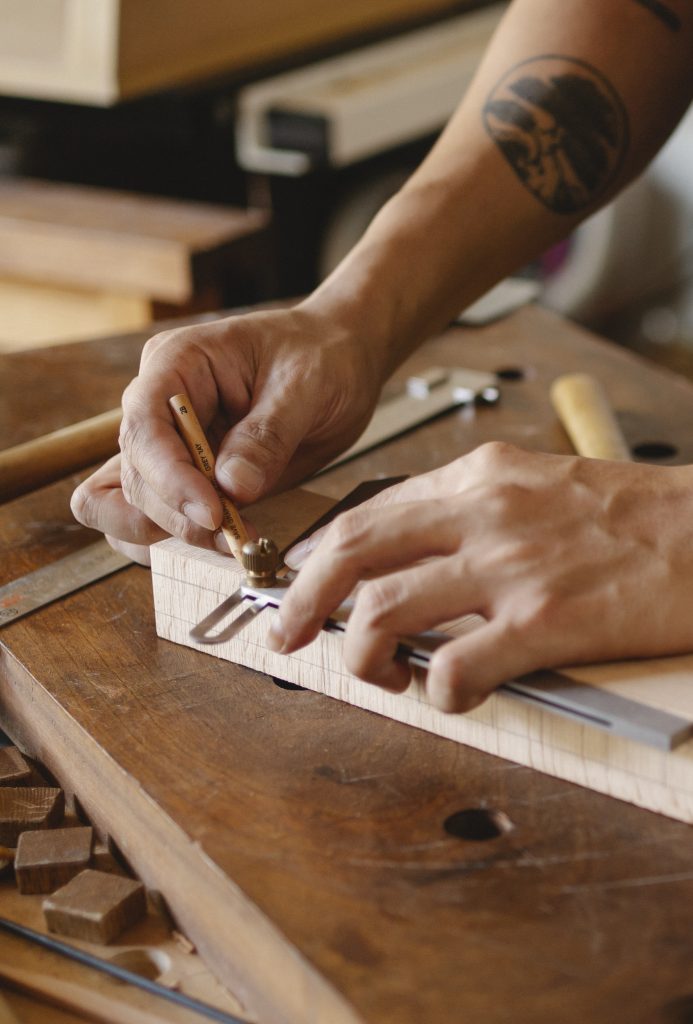
Before cutting the wood, it’s crucial to measure and mark the pieces accurately. Use a measuring tape or ruler to determine the desired dimensions for each component of the music box. Mark the measurements clearly on the wood using a pencil or marking gauge to ensure precision. Double-check all measurements before proceeding to avoid any issues during assembly. Taking the time to measure and mark accurately will result in a precise and visually pleasing music box.
Using Cutting Tools Safely and Accurately
When cutting the wood, it’s important to prioritize safety and accuracy. Ensure that all cutting tools are in good working condition and properly sharpened. Follow safety guidelines such as wearing protective goggles and using clamps to secure the wood during cutting. Take your time and make precise cuts along the marked lines. If you are unsure about using certain cutting tools, consider seeking guidance from a more experienced woodworker or taking a woodworking class. By using cutting tools safely and accurately, you can achieve clean and precise wood pieces for your music box.
Creating the Base and Lid for the Music Box
The base and lid of the music box are essential components that provide structural stability and contribute to the overall aesthetics. Using the measured and cut wood pieces, assemble the base and lid following your design plans. Ensure that the pieces fit together snugly and securely. Depending on your design, you may need to join the wood pieces using screws, nails, or wood glue. Follow the appropriate techniques for joining the specific wood species you are working with. Assemble the base and lid carefully, as they will serve as the foundation for the rest of the music box.

Assembling the Music Box
With the base and lid complete, it’s time to assemble the remaining components of the music box. Assembling involves attaching hinges and fasteners, inserting the music box mechanism, and aligning and joining the wood pieces together.
Attaching Hinges and Fasteners
Attaching hinges and fasteners is an important step in the assembly process. Hinges enable the lid to open and close smoothly, while fasteners keep the lid securely shut. Choose hinges and fasteners that are appropriate for the size and weight of your music box. Position the hinges and fasteners accurately along the edge of the lid and box, ensuring that they align properly and function as intended. It may be helpful to use a template or guide to achieve consistent and precise placement. Carefully attach the hinges and fasteners according to the manufacturer’s instructions, using screws or other appropriate hardware.
Inserting the Music Box Mechanism
The music box mechanism is the heart and soul of your wooden music box. Gently insert the mechanism into the designated space within the base of the box, ensuring that it fits securely and aligns with any required holes or cutouts. Follow the manufacturer’s instructions for inserting and securing the mechanism. Take care not to damage any delicate parts as you guide the mechanism into place. Once the mechanism is properly inserted, test it to ensure that it operates smoothly and plays the desired tunes. Fine-tuning the mechanism may be necessary to achieve the desired sound quality and playback speed.
Aligning and Joining the Wood Pieces
Finally, align and join the remaining wood pieces to complete the assembly of your music box. Whether you are joining sides, dividers, or decorative elements, ensure that the wood pieces fit together accurately and securely. Apply wood glue or use appropriate joinery techniques such as dovetail or box joints to create strong and visually appealing connections. Use clamps or other methods to hold the pieces together while the adhesive sets or the joinery dries. Take your time and make any necessary adjustments to achieve seamless joints and a cohesive overall design.
Finishing and Decorating the Music Box
With the music box assembled, it’s time to focus on the finishing touches. Finishing and decorating the wood surface will not only enhance its appearance but also protect it from moisture and wear over time.
Sanding and Smoothing the Wood Surfaces
To achieve a smooth and polished look, start by sanding the wood surfaces. Begin with a coarse-grit sandpaper and gradually work your way up to a finer grit. Sanding removes any rough edges, splinters, or imperfections in the wood, while also preparing the surface for paint, stain, or a natural wood finish. Use a sanding block or an orbital sander for larger areas and hand sanding for smaller, more intricate sections. Take care to sand evenly and avoid applying too much pressure, as this can lead to uneven surfaces. Once all surfaces are smooth to the touch, wipe away any dust or debris before moving on to the next step.
Applying Stain or Paint to Enhance the Grain
After sanding, you have the option to apply a stain or paint to enhance the natural grain of the wood or add a pop of color to your music box. Stains come in a variety of shades and can highlight the intricate patterns and grain character of the wood. Paint allows for even more creativity, giving you the freedom to choose any color or design for your music box. When applying stain or paint, follow the manufacturer’s instructions and apply even coats, allowing each coat to dry fully before applying the next. Take your time and pay attention to detail, as the finish will greatly impact the overall aesthetics of your music box.
Adding Personalized Touches with Engravings or Inlays
For a truly unique and personalized music box, consider adding engravings or inlays to the wood surfaces. Engravings can feature intricate patterns, monograms, or even lyrics to a favorite song. Inlays involve embedding small pieces of contrasting wood, metal, or other materials into the surface of the wood. These decorative elements can add a touch of elegance and sophistication to your music box. If you are not confident in your engraving or inlay skills, there are professional services available that can assist you. Adding personalized touches ensures that your music box becomes a one-of-a-kind piece to be cherished for generations to come.
Testing and Adjusting the Music Box
Before showcasing your completed music box, it’s important to test and adjust its functionality. This step ensures that the music box operates smoothly and produces the desired sound quality.
Ensuring the Correct Placement of the Musical Mechanism
Double-check that the musical mechanism is properly positioned within the music box. Confirm that any required contact points or gears align correctly with the moving parts of the mechanism. If necessary, make slight adjustments or secure the mechanism more securely to prevent any rubbing or interference. Ensuring the correct placement of the musical mechanism will ensure that it plays smoothly and accurately.
Fine-tuning the Sound and Playback Speed
To achieve the best sound quality and playback speed, you may need to fine-tune the music box mechanism. Some mechanisms offer adjustability for sound volume, pitch, or tempo. Follow the manufacturer’s instructions to make any necessary changes or adjustments. Experiment with various settings to find the ideal sound and playback speed for your music box. Fine-tuning the sound will enhance the overall enjoyment of listening to the melodies produced by your music box.
Checking for Any Functional Issues
Before considering your music box complete, thoroughly inspect it for any functional issues. Test the hinges and fasteners to ensure they operate smoothly and securely. Check all moving parts of the musical mechanism for proper alignment and freedom of movement. Confirm that the lid opens and closes without any obstructions or resistance. Address any functional issues promptly before they become more significant problems. Conducting a thorough inspection will result in a music box that is not only visually appealing but also functional and enjoyable to use.
Caring for Your DIY Wooden Music Box
Now that your DIY wooden music box is complete, it’s important to take care of it to ensure its longevity and continued enjoyment. Proper care and maintenance will help preserve the wood finish and prevent any damage or deterioration.
Cleaning and Maintaining the Wood Finish
Regularly remove dust and debris from the wood surface using a soft, lint-free cloth or a brush specifically designed for wood. Avoid using abrasive cleaners or harsh chemicals that can strip the finish or damage the wood. If the finish becomes dull or scratched over time, consider applying a fresh coat of wood wax or polish to restore its luster. Additionally, be mindful of any spills or moisture and promptly wipe them away to prevent staining or warping of the wood. By cleaning and maintaining the wood finish, your music box will stay beautiful and protected for years to come.
Proper Storage to Prevent Damage
When not in use or during transportation, it’s important to store your wooden music box properly. Choose an environment with stable humidity and temperature, as extreme changes can cause the wood to warp or crack. Avoid placing the music box near direct sunlight or sources of heat, as this can fade the finish or cause structural damage. Use a soft cloth or tissue paper to gently cover the music box, protecting it from dust and potential scratches. By storing your music box properly, you can ensure that it remains in pristine condition and ready to delight whenever it is played.
Repairing Minor Issues
Despite your best efforts, minor issues or damage may occur over time. If you notice any loose hinges, fasteners, or other components, address them promptly to prevent further damage. Secure loose hardware or replace it if necessary. If the wood finish becomes worn or damaged, consider refinishing or repairing it to restore its original beauty. Small scratches or dents can often be sanded and filled with wood filler or touched up with stain or paint. By repairing minor issues as they arise, you can preserve the integrity and aesthetics of your DIY wooden music box.
Expanding Your DIY Skills: Enhancements and Variations
Once you have successfully designed and built a DIY wooden music box, you may find yourself eager to expand your skills and tackle new challenges. There are numerous enhancements and variations that you can explore to further customize your music box and showcase your woodworking talents.
Experimenting with Different Music Box Mechanisms
If you enjoyed the process of working with a music box mechanism, consider experimenting with different types or models. Each mechanism offers a unique sound and repertoire of melodies, allowing you to create music boxes with different musical themes or moods. Research and explore the various options available, and experiment with different mechanisms to find your favorites. By trying out different music box mechanisms, you can broaden your woodworking skills and create an impressive collection of musical instruments.
Incorporating Additional Musical Instruments
To take your wooden music box to the next level, consider incorporating additional musical instruments into your design. This can include miniature drums, xylophones, bells, or any other instrument that can be scaled down to fit within the music box. The combination of the music box mechanism’s melodies and the additional instruments will add depth and complexity to the sound produced by your creation. Explore tutorials, books, or online resources to learn how to incorporate different musical instruments into your designs. By incorporating additional musical instruments, your music box will become a true symphony in timber.
Designing a Multi-tiered Music Box
For a truly impressive project, you can challenge yourself by designing a multi-tiered music box. A multi-tiered music box typically consists of multiple layers or compartments, each containing its own music box mechanism. This allows for the simultaneous or sequential playing of different melodies. Designing and building a multi-tiered music box requires advanced woodworking skills and careful planning. Sketch out the design and carefully consider the layout and positioning of each mechanism and its respective melodic arrangement. Building a multi-tiered music box will not only showcase your woodworking abilities but also provide an even richer musical experience.
Sharing the Joy: Giving Your DIY Wooden Music Box as a Gift
Building a DIY wooden music box is not only a satisfying endeavor for yourself but also an opportunity to create a meaningful and cherished gift for someone else. Share the joy and beauty of your creation by presenting your music box as a special gift.
Presenting the Music Box in a Special Package
Consider how you can elevate the presentation of your music box by choosing a special package or box to present it in. Opt for a high-quality gift box or create a custom box that complements the aesthetic of the music box. Decorate the box with a personalized label or a message. Adding these thoughtful touches will enhance the recipient’s excitement and anticipation as they unwrap their unique gift.
Sharing the Story behind the Creation
Along with the music box, share the story behind its creation with the recipient. Explain the inspiration and the process that went into designing and building the music box. Highlight any unique features or challenges you encountered during the construction. Sharing the story behind the creation not only adds depth and meaning to the gift but also creates a personal connection between you and the recipient.
Documenting and Sharing the Building Process
Consider documenting the building process of your DIY wooden music box through photographs or videos. Create a compilation or a scrapbook that showcases the various stages of construction. This documentation can serve as a unique and heartfelt memento for the recipient, allowing them to appreciate the craftsmanship and effort that went into their gift. Additionally, consider sharing your documentation on social media or online platforms dedicated to woodworking. By sharing your process, you can inspire and motivate others to embark on their own DIY projects.
In conclusion, designing and building a DIY wooden music box is a rewarding and creative endeavor. By choosing the right wood, exploring different mechanisms, and incorporating personal touches, you can create a unique and beautiful musical instrument. Gathering the necessary tools and materials, preparing and cutting the wood, assembling the music box, and adding the finishing touches are essential steps in the construction process. Regular maintenance and careful storage will ensure the longevity and enjoyment of your music box. Additionally, consider expanding your woodworking skills by experimenting with enhancements and variations. Finally, sharing the joy of your DIY wooden music box by giving it as a gift in a special package, sharing the story behind its creation, and documenting the building process will create a memorable and meaningful experience for both you and the recipient. So go ahead, let your creativity soar, and embark on the journey of designing and building your own DIY wooden music box.