

When it comes to woodworking, understanding the differences between hardwood and softwood can be essential. With the right knowledge, you can select the perfect material for your project, ensuring that it not only looks beautiful but also stands the test of time. In this article, we will explore the distinctions between hardwood and softwood, giving you the insight you need to make informed decisions and achieve woodworking success. So, whether you’re a beginner or a seasoned woodworker, let’s dive into the fascinating world of hardwood versus softwood.

What is Wood?
Wood is a natural material that comes from trees. It is commonly used in various applications such as furniture, construction, and flooring. Wood is known for its strength, durability, and natural beauty. It is a versatile material that can be shaped and crafted to meet a wide range of needs and preferences.
Different Types of Wood
There are two main categories of wood: hardwood and softwood. These terms refer to the type of tree the wood comes from, rather than the actual hardness or softness of the wood itself. Understanding the characteristics of each type can help you determine the most suitable wood for your woodworking projects.
Hardwood
Hardwood comes from deciduous trees, which are those that lose their leaves annually. It is generally denser and more durable than softwood. Hardwood is often used for high-quality furniture, cabinetry, flooring, and musical instruments.
Softwood
Softwood, on the other hand, comes from evergreen trees, which retain their leaves year-round. Despite its name, softwood can still be quite strong and versatile. It is commonly used in construction, exterior trim, and decking. Softwood is generally more affordable and widely available compared to hardwood.
Hardwood Characteristics
Hardwood has several distinctive characteristics that set it apart from softwood. Understanding these characteristics can help you make informed decisions when choosing hardwood for your woodworking projects.
Grain Structure
Hardwood typically has a more complex and pronounced grain structure compared to softwood. The grain can vary depending on the specific type of hardwood, but it often adds visual interest and natural beauty to the finished product.
Density and Weight
Hardwood is generally denser and heavier compared to softwood. This density contributes to its durability and strength, making it ideal for applications that require sturdiness and longevity.
Durability
Hardwood is known for its exceptional durability. It has a higher resistance to wear and tear, making it suitable for high-traffic areas. With proper care and maintenance, hardwood can last for generations.
Resistance to Decay
Another advantage of hardwood is its natural resistance to decay and rot. This makes it suitable for exterior applications or areas that may be exposed to moisture or humidity.
Color and Appearance
Hardwood comes in a wide range of colors and appearances, providing versatility and options for different aesthetic preferences. From the warm reddish-brown hues of cherry wood to the lighter tones of birch, hardwood offers a variety of natural beauty.
Types of Hardwood
There are many types of hardwood, each with its own unique characteristics and uses. Here are some popular types of hardwood:
Oak
Oak is a dense and strong hardwood known for its durability. It has a distinctive grain pattern and can range in color from light to dark brown. Oak is commonly used in furniture, flooring, and cabinetry.
Mahogany
Mahogany is a luxurious hardwood with a rich reddish-brown color. It is highly durable and often used in furniture making, musical instruments, and high-end cabinetry.
Maple
Maple is a versatile hardwood that is known for its light color and tight grain pattern. It is commonly used in furniture, flooring, and kitchen cabinets.
Cherry
Cherry wood is prized for its warm reddish-brown color that deepens with age. It has a smooth grain and is commonly used in furniture, cabinetry, and millwork.
Birch
Birch wood has a light, pale yellow color with a subtle grain pattern. It is commonly used in furniture, cabinetry, and paneling.
Walnut
Walnut is a dark, rich hardwood with a straight grain pattern. It is often used in high-quality furniture, flooring, and gunstocks.

Applications of Hardwood
Hardwood has a wide range of applications due to its strength, durability, and natural beauty. Here are some common uses of hardwood:
Furniture
Hardwood is a popular choice for furniture-making due to its strength and durability. Whether it’s a solid wood dining table or a handcrafted rocking chair, hardwood furniture adds a touch of elegance and longevity to any space.
Cabinetry
Hardwood cabinetry is highly sought after for its beauty and durability. From kitchen cabinets to bathroom vanities, hardwood adds a timeless elegance to any interior space.
Flooring
Hardwood flooring is a classic choice that brings warmth and character to any room. It is durable, easy to clean, and can be refinished multiple times, making it a long-lasting investment.
Musical Instruments
Many musical instruments, such as guitars and violins, are made from hardwood. The unique tonal qualities and resonance of hardwood contribute to the beautiful sound produced by these instruments.
Softwood Characteristics
Softwood shares some characteristics with hardwood while having its own distinct properties. Understanding these characteristics can help you decide when to choose softwood for your woodworking projects.
Grain Structure
Softwood typically has a simpler and less pronounced grain structure compared to hardwood. The grain is usually straighter and less visible, giving a more uniform appearance to the wood.
Density and Weight
Softwood is generally less dense and lighter compared to hardwood. This lighter weight can make it easier to work with and transport, especially for larger projects.
Durability
While softwood is not as naturally durable as hardwood, it can still be treated or sealed to enhance its resistance to wear and decay. Proper care and maintenance can significantly extend the lifespan of softwood projects.
Resistance to Decay
Softwood is generally less naturally resistant to decay compared to hardwood. However, there are treatment options available to protect softwood from rot and insect infestation, making it suitable for exterior applications.
Color and Appearance
Softwood comes in a range of colors, from pale yellow to light brown. Its more uniform appearance makes it suitable for projects that require a consistent and clean look.

Types of Softwood
Here are some common types of softwood:
Pine
Pine is one of the most widely used softwoods due to its affordability, versatility, and availability. It has a light color and straight grain, making it suitable for a variety of projects.
Cedar
Cedar is a popular softwood known for its natural beauty and resistance to decay. It has a reddish-brown color and a distinct pleasant aroma. Cedar is often used in outdoor projects such as decking and siding.
Fir
Fir is a softwood that is widely available and commonly used in construction. It has a pale yellow color with a straight grain pattern. Fir is known for its strength and stability.
Spruce
Spruce is a light-colored softwood with a straight grain. It is commonly used in construction, interior trim, and general woodworking projects.
Redwood
Redwood is a highly desirable softwood known for its rich reddish-brown color and natural resistance to rot and decay. It is often used for outdoor applications such as decking, fencing, and garden furniture.
Applications of Softwood
Softwood is widely used in various applications due to its affordability, versatility, and availability. Here are some common uses of softwood:
Construction
Softwood is extensively used in construction for framing, roofing, and other structural elements. Its strength, affordability, and availability make it a popular choice for building projects.
Exterior Trim
Softwood is commonly used for exterior trim, such as window frames, door frames, and fascia boards. Its ability to be easily shaped and its resistance to decay make it suitable for these applications.
Decking
Softwood decking is a cost-effective option for creating outdoor spaces. It is durable, easy to work with, and offers a natural beauty that enhances outdoor aesthetics.
Comparing Hardwood and Softwood
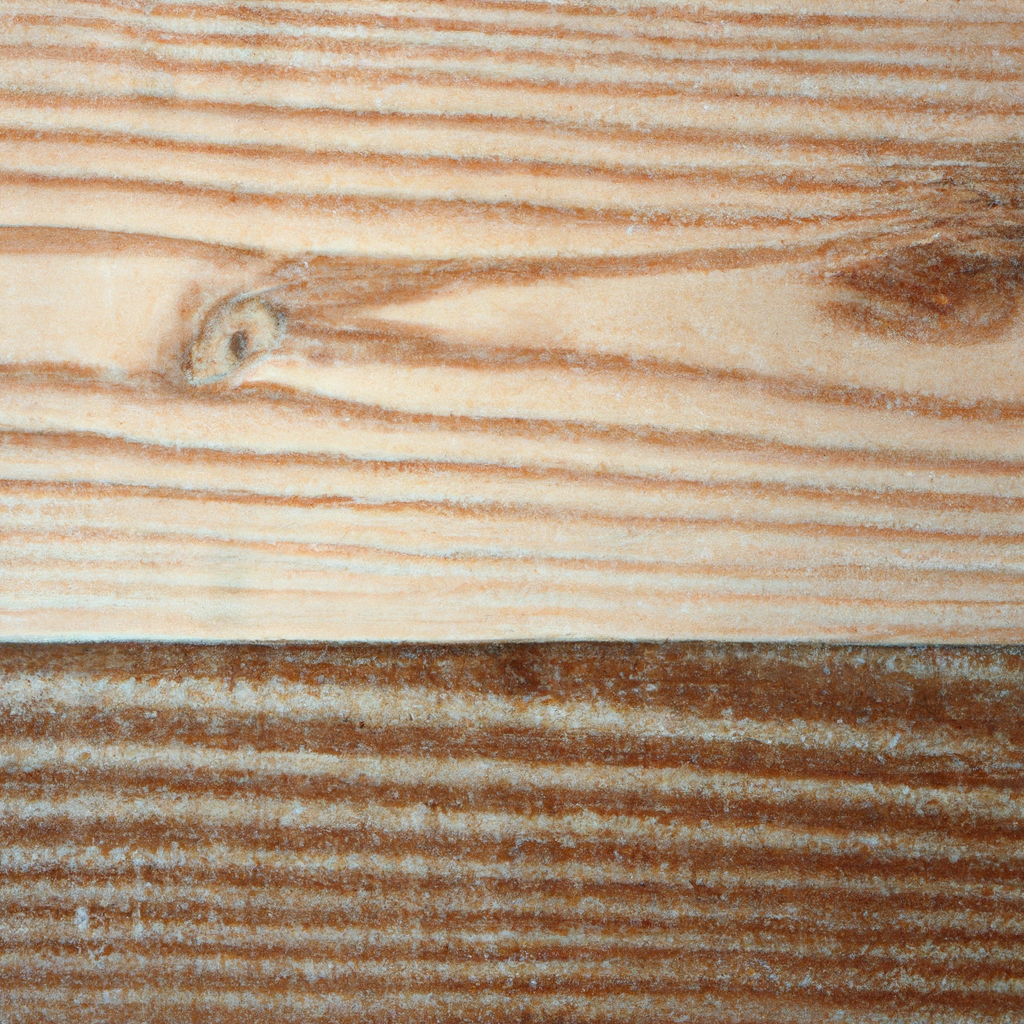
While both hardwood and softwood have their own unique qualities, there are some key factors to consider when choosing between the two:
Strength
Hardwood is generally stronger and more durable than softwood. It can withstand heavy loads and is less prone to denting or damage. Softwood, while not as strong, can still be suitable for many applications with proper construction techniques.
Price
Softwood is generally more affordable compared to hardwood due to its higher availability and faster growth rate. Hardwood can be more expensive, especially if it is a rare or exotic type.
Availability
Softwood is generally more widely available compared to hardwood. Softwood trees grow faster and are more abundant, making them easier to source. Hardwood trees, especially certain types, take longer to reach maturity, resulting in limited availability.
Workability
Both hardwood and softwood can be worked with various woodworking tools. However, softwood is generally easier to work with due to its lower density. It is more forgiving and can be cut, shaped, and joined more easily.
Finishing
Both hardwood and softwood can be stained, painted, or finished to achieve the desired look. However, softwood tends to absorb finishes more readily, while hardwood may require additional steps or treatments to achieve the desired result.
Environmental Impact
When considering the environmental impact, it is important to note that sustainable harvesting practices are crucial for both hardwood and softwood. Look for wood that is certified by organizations such as the Forest Stewardship Council (FSC) to ensure responsible sourcing.
Conclusion
In conclusion, understanding the difference between hardwood and softwood is essential for choosing the appropriate wood for your woodworking projects. Hardwood offers exceptional strength, durability, and natural beauty, making it ideal for applications such as furniture, cabinetry, flooring, and musical instruments. Softwood, on the other hand, provides affordability, versatility, and availability, making it suitable for construction, exterior trim, and decking.
Whether you choose hardwood or softwood, remember to consider factors such as strength, price, availability, workability, finishing options, and environmental impact. By selecting the right type of wood for your specific needs, you can create beautiful and long-lasting woodworking projects. So go ahead and embrace the beauty and versatility of wood in your next woodworking endeavor!