

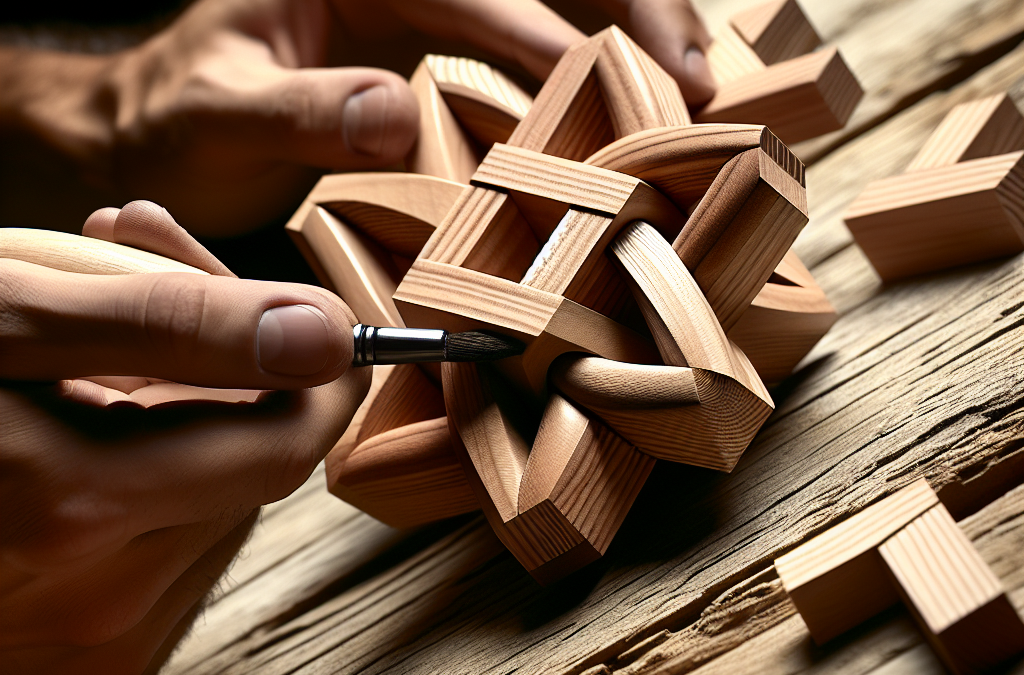
In “Joinery 101: Expert Tips For Stronger Wood Connections”, you will discover a wealth of knowledge and insider tips on how to create strong and secure wood connections. Whether you are a seasoned woodworker or just starting out, this article is packed with practical advice that will help you achieve professional-level results. From understanding different types of joinery techniques to selecting the right tools and materials, this comprehensive guide is your go-to resource for mastering the art of joinery. So grab your favorite woodworking gear and get ready to elevate your craftsmanship to new heights!

Types of Joinery
Butt Joint
The butt joint is one of the simplest and most common types of joinery. It involves joining two pieces of wood by simply butting them together at a right angle and securing them with screws, nails, or dowels. While this joint is quick and easy to create, it is not the strongest and may require additional reinforcement to ensure a durable connection.
Mortise and Tenon
The mortise and tenon joint is a classic woodworking technique that has been used for centuries. It involves cutting a rectangular hole, known as the mortise, into one piece of wood, and a projecting piece, known as the tenon, on the other piece. The tenon is then inserted into the mortise and secured with glue or wedges for a strong and stable connection.
Dovetail Joint
The dovetail joint is known for its strength and durability. It involves cutting wedge-shaped tails on one piece of wood and corresponding notches, or pins, on the other. When the tails and pins are fit together, they create a tight interlocking connection that is difficult to pull apart. The precision required to create dovetail joints makes them a popular choice for fine cabinetry and furniture.
Box Joint
The box joint, also known as a finger joint, is commonly used for joining the corners of boxes and drawers. It involves creating interlocking square or rectangular “fingers” on the ends of the boards to be joined. These fingers are then glued together, creating a strong and stable corner joint. Box joints can be cut with hand tools or power tools, but they require precise measurements and careful execution to ensure a tight fit.
Half-Lap Joint
The half-lap joint is a versatile joint that is often used for joining two pieces of wood together in a cross shape. It involves removing half the thickness of each piece of wood at the point where they will overlap, creating a flush surface when they are joined together. This joint is commonly used for constructing frames, shelving units, and other structural elements.
Biscuit Joint
The biscuit joint is a type of joinery that uses small, oval-shaped biscuits made of compressed wood to connect two pieces of wood together. The biscuits are inserted into corresponding slots that are cut into the edges of the pieces to be joined. When glue is applied to the slots and the biscuits, they expand and create a strong bond between the two pieces. Biscuit joints are commonly used in panel construction, such as tabletops and cabinet doors.
Pocket Hole Joint
The pocket hole joint is a popular choice for joinery in cabinet making and furniture construction. It involves drilling a hole at an angle into one piece of wood and then joining it to another piece with a screw. The angle of the hole allows the screw to be concealed within the joint, making it a visually pleasing option. Pocket hole joints are quick and easy to create, but they may not be as strong as some other types of joinery.
Tongue and Groove Joint
The tongue and groove joint is commonly used for joining flooring, paneling, and other flat surfaces. It involves cutting a groove, or channel, along the edge of one piece of wood and a corresponding tongue, or ridge, on the edge of another. The tongue fits into the groove, creating a tight and secure connection. Tongue and groove joints can be glued or nailed, depending on the specific application.
Dowel Joint
The dowel joint is a simple and effective way to join two pieces of wood together. It involves drilling matching holes into the two pieces to be joined and then inserting dowels, which are cylindrical wooden rods, into the holes. The dowels are typically glued in place, creating a strong and secure connection. Dowels are often used in conjunction with other types of joinery, such as the butt joint or the mortise and tenon joint, to provide additional strength and stability.
Dado Joint
The dado joint is commonly used for shelves and other applications where one piece of wood needs to fit into a slot or channel in another piece. It involves cutting a flat-bottomed groove, known as a dado, across the grain of one piece of wood and then inserting the edge of another piece into the groove. The dado joint provides a stable and durable connection, but it requires precise measurements and careful cutting to ensure a proper fit.
Choosing the Right Joinery Method
Consider the Type of Wood
When choosing a joinery method, it is important to consider the type of wood you are working with. Some woods, such as oak or maple, are stronger and more durable than others, such as pine or cedar. The strength and hardness of the wood will affect the type of joinery method that is suitable. For example, hardwoods are often better suited for joints that require more strength and stability, while softwoods may be better suited for simpler joints.
Evaluate the Strength Requirements
The intended use of the joint will also dictate the type of joinery method that is suitable. If the joint will be subjected to heavy loads or stress, a stronger and more durable joint will be necessary. For example, a mortise and tenon joint may be more appropriate for constructing a sturdy table frame, while a butt joint may be sufficient for a lightweight picture frame.
Consider Aesthetics and Design
The visual appearance of the joint is another important factor to consider. Some joinery methods, such as dovetail or box joints, are not only functional but also add an element of beauty to the finished piece. These joints can become decorative features that enhance the overall design and appeal of the woodwork. Consider how the joint will contribute to the aesthetics of the project and choose a method that complements the desired design.
Assess Ease of Assembly and Disassembly
Consider the ease with which the joint can be assembled and disassembled. If the joint will need to be taken apart at some point, perhaps for repairs or modifications, a reversible joinery method, such as the biscuit joint or the pocket hole joint, may be preferable. These methods allow for easy disassembly and reassembly without compromising the strength and integrity of the joint.
Consider the Longevity of the Connection
The longevity of the joint is an important consideration when choosing a joinery method. Some joints may be more prone to weakening or failing over time, while others are known for their durability and long-lasting performance. Consider the intended lifespan of the project and choose a joinery method that will provide the necessary strength and stability for the desired duration.
Preparation before Joining
Choosing the Correct Tools and Equipment
Before beginning any joinery project, it is important to gather the necessary tools and equipment. The specific tools required will depend on the chosen joinery method, but some common tools used in joinery include chisels, mallets or hammers, hand planes, saws, routers, drills, clamps, measuring and marking tools, bench vises, and screwdrivers. Having the right tools on hand will ensure a smooth and efficient joinery process.
Preparing the Wood Surface
Preparing the wood surface is a crucial step in achieving a strong and seamless joint. The mating surfaces of the wood should be clean, smooth, and free from any dust, dirt, or imperfections that could interfere with the bond. Use sandpaper or a hand plane to remove any rough edges or uneven surfaces. Take care to ensure that the mating surfaces are flat and square for a tight and secure fit.
Measuring and Marking the Joinery Cuts
Accurate measurements and markings are essential for creating precise joinery cuts. Use a combination of measuring tools, such as a tape measure, ruler, or combination square, to determine the dimensions of the joint. Mark the cut lines on the wood using a pencil or marking knife, making sure to mark both the waste material and the areas to be cut. Double-check the measurements before proceeding with the cuts.
Creating Test Cuts
Before making the final joinery cuts, it is advisable to create test cuts on scrap pieces of wood. This allows for fine-tuning the measurements and ensuring a proper fit before committing to the actual project. Test cuts also provide an opportunity to practice the specific joinery technique and familiarize oneself with the tools and equipment that will be used.
Ensuring Proper Clamping
Proper clamping is crucial for achieving a strong and secure joint. Use clamps to hold the pieces of wood in place during the joinery process, ensuring that they are firmly held together and properly aligned. The clamps should apply even pressure along the entire length of the joint to promote a tight and solid connection. Take care not to over-tighten the clamps, as this can distort the wood and compromise the joint.
Tips for Stronger Wood Connections
Use Reinforcements and Fasteners
In some cases, it may be necessary to reinforce the joint with additional fasteners or reinforcements to ensure its strength and durability. This can include the use of screws, nails, dowels, or metal brackets. When using fasteners, it is important to choose the right size and type for the job and to position them properly to maximize the joint’s strength. Reinforcements can provide additional support and stability where needed.
Apply Glue Correctly
Using glue in joinery can greatly enhance the strength and longevity of the connection. When applying glue, make sure to evenly spread it on the mating surfaces, ensuring full coverage. Use a brush, roller, or a glue applicator to achieve an even coat. Avoid using too much glue, as excess glue can weaken the joint and cause messy glue squeeze-out. Clamp the joint together tightly to ensure a strong bond and allow the glue to cure fully according to the manufacturer’s instructions.
Consider Grain Orientation
Grain orientation plays a significant role in the strength and stability of the joint. Whenever possible, join pieces of wood with the grain running in the same direction to maximize the joint’s strength. This helps to distribute the load evenly along the joint and minimizes the risk of the wood splitting or breaking. Pay attention to the grain direction when marking and cutting the joint, ensuring that it aligns properly for optimal strength.
Avoid Over tightening Screws and Nails
When using screws or nails in joinery, it is important to avoid over tightening them. Over tightening can strip the threads, split the wood, or weaken the joint. Use a torque-limiting screwdriver or a drill with a clutch to prevent overtightening and ensure that the screws or nails are snug but not excessively tight. This will help maintain the integrity of the joint and minimize the risk of damage to the wood.
Implement Multiple Joinery Methods
In some cases, using multiple joinery methods in conjunction can provide additional strength and stability to the connection. Combining different joinery techniques, such as using dowels in addition to glue for a mortise and tenon joint, can reinforce the joint and make it more resistant to movement and stress. Using multiple methods also adds visual interest and can enhance the overall aesthetics of the woodwork.
Sand and Finish the Joinery Cuts
After completing the joinery cuts, it is important to sand and finish the joint to ensure a smooth and seamless transition between the joined pieces. Use sandpaper or a sanding block to smooth out any rough edges or imperfections. Apply a suitable finish, such as paint, stain, or a protective coat of varnish or polyurethane, to enhance the appearance and protect the joint from moisture and wear.
Test and Adjust the Fit
Before finalizing the joint, test its fit and stability. Ensure that the pieces fit together tightly and securely, without any gaps or wobbling. Check for any inconsistencies or areas that may require additional adjustments. This can include fine-tuning the dimensions, making minor adjustments, or adding reinforcements as necessary. Test the joint’s strength by applying gentle pressure or stress to ensure that it can withstand the intended use.
Ensure Proper Alignment
Proper alignment is critical for a successful joint. Check that the joint is aligned correctly before finalizing it, ensuring that the pieces are flush and level. Misaligned joints can lead to weak connections and compromised stability. Use clamps or other alignment tools to hold the pieces in place during the joinery process, making any necessary adjustments to achieve optimal alignment and a secure fit.
Check for Stresses and Strains
Once the joint is completed, it is important to inspect it for any signs of stresses or strains. Look for any visible cracks, gaps, or other indications of potential weakness. Apply gentle pressure or stress to the joint to ensure that it can withstand the intended load or use without failing or breaking. Address any areas of concern by reinforcing them or making additional adjustments to improve the joint’s strength and stability.
Consider Seasoning and Moisture Content
Wood is a natural material that expands and contracts with changes in humidity and moisture content. When joining pieces of wood, it is important to consider their moisture levels and properly acclimate them to their environment before beginning the joinery process. This helps to minimize the risk of warping, shrinking, or swelling of the wood after the joint is completed. Properly seasoned and moisture-conditioned wood will result in a stronger and more stable joint.

Common Mistakes in Joinery
Using Incorrect Joinery Method
One common mistake in joinery is using an incorrect method for the desired strength and durability requirements of the joint. It is crucial to select the appropriate joinery method that matches the specific needs of the project. Failing to do so can result in weak or unstable connections that may compromise the overall structure or longevity of the piece.
Neglecting Preparations Steps
Neglecting the necessary preparations before joining pieces of wood can lead to poor joint quality. Skipping steps such as preparing the wood surface, accurately measuring and marking the joinery cuts, or creating test cuts can result in ill-fitting joints, weak connections, or even damage to the wood. Taking the time to properly prepare the wood and plan out the joinery process will help ensure a successful outcome.
Negligence in Clamping and Gluing
Insufficient clamping or gluing can weaken the joint and compromise its strength and durability. Negligence in applying adequate pressure or evenly distributing the glue along the mating surfaces can result in gaps, weak adhesion, or a loose connection. Properly clamping the joint and using the correct amount of glue, evenly spread, will help create a strong and secure bond.
Poor Execution of Joinery Cuts
Mistakes in executing the joinery cuts can lead to poorly fitting joints or weak connections. Inaccurate measurements, improper cutting techniques, or poorly maintained tools can all contribute to a poorly executed joint. Taking the time to accurately measure, mark, and cut the joinery pieces, and using sharp and well-maintained tools, will greatly improve the quality and strength of the joint.
Not Testing the Fit Properly
Failing to test the fit of the joint before finalizing it can result in a weak or unstable connection. It is important to check that the pieces fit together tightly and securely, without any excessive gaps or movement. Testing the fit allows for any necessary adjustments or fine-tuning to be made before the joint is permanently assembled.
Ignoring Wood Characteristics and Grain Direction
Wood has unique characteristics, such as hardness, grain pattern, and susceptibility to splitting. Ignoring these characteristics and grain direction when selecting or joining pieces of wood can lead to weakened joints or structural issues. Taking into account the specific qualities of the wood and aligning the grain properly will help ensure a stronger and more stable connection.
Advanced Joinery Techniques
Dovetail Joinery Variations
While the basic dovetail joint is a strong and durable option, there are several variations that can be explored for different applications. These include the half-blind dovetail, which hides the end grain and provides a cleaner look for drawers and box construction, and the sliding dovetail, which allows for movement or adjustment between two pieces of wood.
Mortise and Tenon Variations
The mortise and tenon joint can be adapted to suit various woodworking needs. Variations like the through mortise and tenon, where the tenon protrudes through the mortise, can provide additional visual interest. Additionally, the wedged mortise and tenon adds an extra level of reinforcement and can create an eye-catching design element.
Compound Angles and Beveled Joints
For projects that require complex angles and bevels, compound joinery techniques can be employed. These techniques involve cutting and joining pieces of wood at multiple angles and orientations to achieve the desired shape or design. Compound beveled joints, for example, are often used in cabinetry and furniture-making to create tapered legs or angled edges.
Decorative Joinery Techniques
Joinery can also be used as a decorative element in woodworking projects. Techniques like inlays, marquetry, or parquetry involve creating intricate patterns or designs by combining different types of wood or other materials within the joints. These techniques add a unique and artistic touch to the finished piece.
Wood Joinery for Complex Shapes
Joinery techniques can be adapted to create connections between pieces of wood with complex shapes or curves. Techniques such as steam bending, lamination, or kerf bending can be used to manipulate the wood and create joint connections that follow the contours of the desired shape. These methods are often employed in furniture, cabinetry, or musical instrument making.
Curved and Angled Joinery Methods
Joinery methods can also be adapted to create connections in curved or angled pieces of wood. Techniques like the bridle joint or the cope and stick joint can be used to join curved or angled pieces together, providing strength and stability in non-linear applications. These methods often require careful planning and precise execution to achieve a seamless and secure joint.

Joinery Tips for Specific Projects
Building Cabinets and Furniture
When building cabinets and furniture, strong and durable joinery is essential to ensure the longevity of the piece. Consider using techniques such as the mortise and tenon joint, the dovetail joint, or the box joint for corner connections. Incorporating additional reinforcements, such as screws or dowels, can further enhance the strength of the joints.
Constructing Doors and Windows
Doors and windows often require joinery methods that can withstand daily use and potential stresses. The mortise and tenon joint is a popular choice for these applications due to its strength and durability. Consider using variations, such as the slip tenon or the loose tenon, to accommodate different design or construction requirements.
Creating Picture Frames and Mirrors
Joinery for picture frames and mirrors often requires precision and an aesthetically pleasing finish. The miter joint is commonly used for creating 90-degree corner connections. Reinforce the joint with splines or biscuits to add strength and stability, especially for larger frames or mirrors. Using a router or table saw with a dado blade can facilitate creating slots for the splines or biscuits.
Building Outdoor Structures
When building outdoor structures, joinery methods that can withstand the elements are crucial. The mortise and tenon joint, particularly the wedged mortise and tenon, is a popular choice for outdoor projects due to its strength and resistance to movement. Consider using weather-resistant wood species or treating the wood with protective finishes to further enhance the longevity of the joints.
Joinery for Musical Instruments
Wood joinery plays an integral role in the construction of musical instruments, contributing to the instrument’s sound quality, stability, and durability. For stringed instruments, such as guitars or violins, techniques like the dovetail joint or the mortise and tenon joint are commonly utilized for connecting the neck to the body. Careful attention to grain orientation and wood selection is paramount to achieve optimal resonance and structural integrity.
Wooden Boat Construction
Building wooden boats requires joinery techniques that can withstand constant exposure to water and the stresses of navigation. Techniques like the lapstrake or clinker construction involve overlapping planks and securing them with fasteners or adhesives. Reinforcing the joints with waterproof epoxy or caulk can help ensure watertight connections and a strong and durable boat structure.
Safety Precautions
Wear Appropriate Safety Gear
When working with wood and using tools and machinery, it is important to wear the appropriate safety gear. This can include safety glasses or goggles to protect the eyes from flying debris, ear protection to reduce noise levels, a dust mask or respirator to prevent inhalation of sawdust or other airborne particles, and gloves to protect hands when handling sharp tools or materials.
Use Tools and Machinery Correctly
Proper usage of tools and machinery is essential for safety and achieving accurate joinery results. Read and follow the manufacturer’s instructions for each tool, including understanding their specific safety features and limitations. Use tools and machinery in a stable and secure manner, maintaining a firm grip while keeping fingers and hands clear of the cutting or moving parts.
Maintain a Clutter-Free Workspace
Keep the workspace clean and organized to prevent tripping hazards and to allow for safe movement and operation of tools and machinery. Remove any debris, offcuts, or other obstacles from the immediate working area. Properly store tools and materials when not in use to prevent accidental injury and to maintain a tidy and safe workplace.
Keep Hands and Fingers Away from Blades
When working with tools and machinery that have rotating blades or cutting edges, it is crucial to keep hands and fingers a safe distance away to avoid potential contact and injury. Use push sticks, featherboards, or other suitable devices to guide and manipulate the wood, keeping appendages well clear of the cutting area.
Ensure Proper Ventilation
Proper ventilation is important when working with wood, especially when using adhesives, finishes, or other chemicals that may release fumes. Work in a well-ventilated area or use ventilation systems, such as dust collection systems or fans, to remove any airborne particles or fumes from the workspace. This helps to maintain air quality and protect against potential health hazards.

Essential Tools for Joinery
Chisels
Chisels are essential tools for creating precise and clean cuts in wood. They are commonly used for shaping, mortising, and carving, and are available in various sizes and shapes to accommodate different joinery techniques.
Mallet or Hammer
A mallet or hammer is used in conjunction with chisels and other cutting tools to create and shape joinery cuts. They provide the necessary force to cut through the wood and ensure a clean and accurate result.
Hand Planes
Hand planes are versatile tools that can be used for various joinery tasks, such as smoothing surfaces, truing edges, or removing material. They come in different designs, including block planes, bench planes, and shoulder planes, that cater to different woodworking needs.
Saws (Backsaw, Coping Saw, etc.)
Saws are indispensable tools for cutting wood in joinery. Backsaws, with their fine and rigid blades, are suitable for making precise and accurate cuts, while coping saws are used for intricate curved or irregular cuts. Other saws, such as panel saws or miter saws, may also be used depending on the specific joinery technique and application.
Router
A router is a versatile power tool that is commonly used in joinery for creating intricate or precise cuts, such as dovetail or dado joints. With the appropriate router bits, it can be used to shape, trim, or carve wood with precision and ease.
Drill and Drill Bits
A drill is a necessary tool for creating holes in wood for joinery purposes. It can be used for drilling pilot holes, countersinking, or creating dowel or pocket holes. Drill bits of various sizes and types, such as twist bits, spade bits, or forstner bits, are used depending on the specific hole requirements.
Clamps
Clamps are indispensable for holding wood pieces together during the joinery process. They provide the necessary pressure to achieve a tight and secure fit while the glue or fasteners set. Clamps come in various sizes and types, including bar clamps, pipe clamps, or spring clamps, to accommodate different joinery needs.
Measuring and Marking Tools
Measuring and marking tools are essential for achieving accurate joinery cuts. Tape measures, rulers, combination squares, or marking knives are used to determine dimensions, mark reference lines, or transfer measurements onto the wood for precise cutting.
Bench Vise
A bench vise is a useful tool for securing wood pieces while performing joinery tasks. It provides a stable and secure workholding solution, allowing for better control and precision during cutting or shaping.
Screwdriver Set
Screwdrivers are necessary for installing screws in joinery connections or making adjustments. A set of different screwdrivers, including flathead and Phillips, ensures the right tool is available for the specific screw type and size.
Conclusion
Joinery is a fundamental aspect of woodworking that requires careful consideration and execution to achieve strong and durable connections. By understanding the various types of joinery methods, considering the specific requirements of the project, and following proper preparation and execution techniques, you can create woodwork that is not only functional but also visually appealing. Using appropriate tools, practicing safety precautions, and considering the characteristics of the wood will greatly contribute to the success of your joinery projects. Whether you are building furniture, constructing cabinets, or undertaking any other woodworking endeavor, mastering joinery techniques will enable you to create long-lasting and beautiful pieces.
