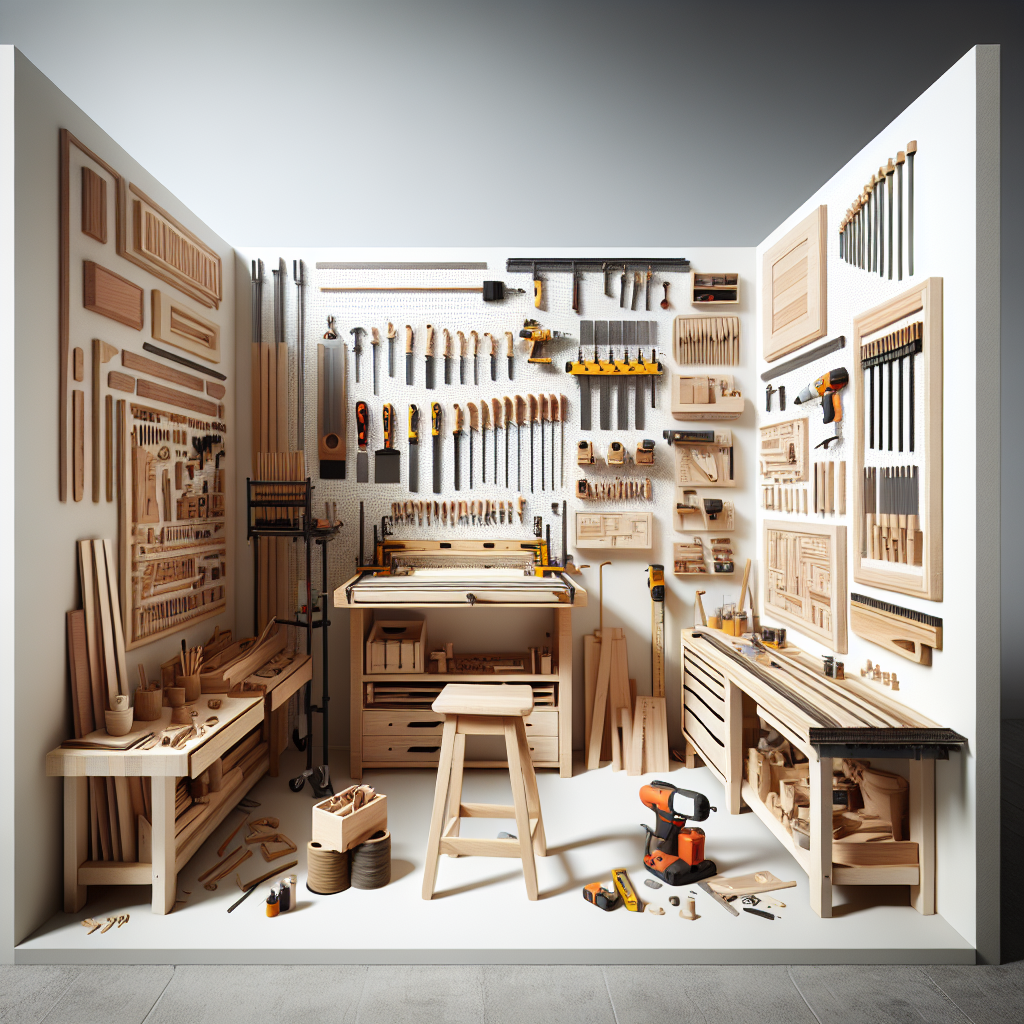

In “Small Space Woodworking: How To Create Big Projects In Tight Spaces,” you’ll discover practical tips and creative techniques for tackling woodworking projects in limited areas. Whether you have a cramped garage, a tiny workshop, or even just a corner of a room, this article will equip you with strategies to make the most of your space and achieve remarkable results. From maximizing storage solutions to utilizing portable tools, you’ll learn how to overcome the challenges of small spaces and create impressive woodworking projects that will leave you and your friends amazed. In this article, we will explore various strategies and tips for small space woodworking, helping you create big projects even in the most compact of areas. Whether you have a small garage, a cramped basement, or even just a corner of a room, these suggestions will help you maximize your space, stay organized, work efficiently, and stay safe.
Choosing the Right Tools
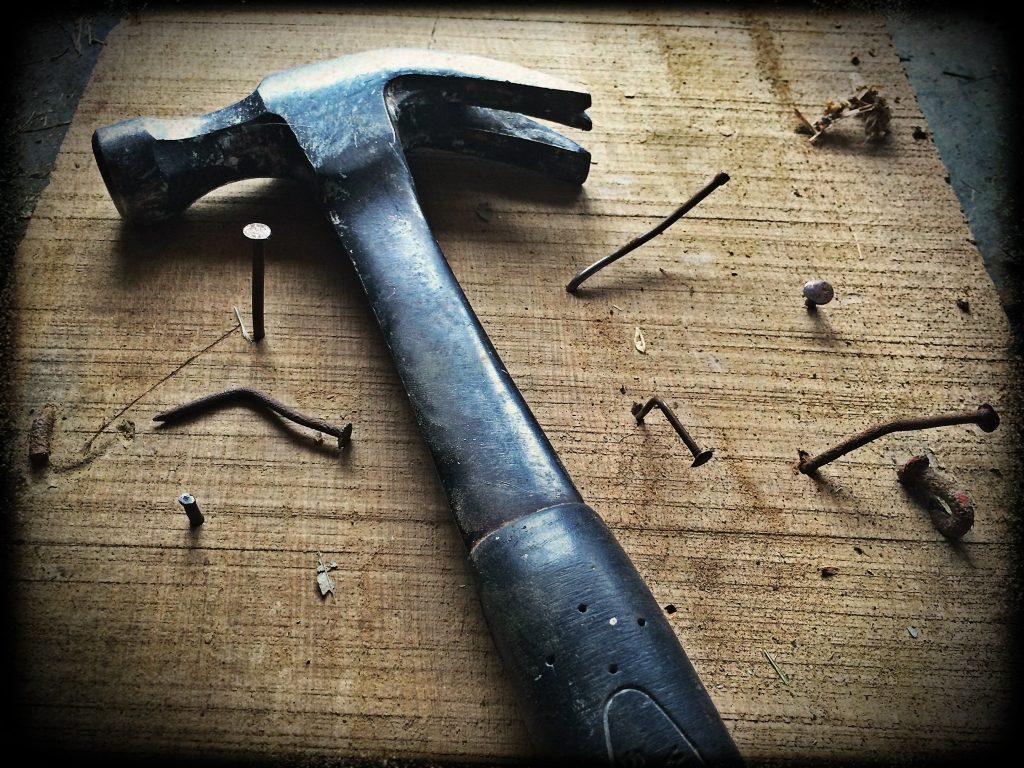
When working in a small space, the size and weight of your tools play a crucial role. Opt for smaller and lighter options whenever possible, as they will be easier to handle and maneuver in tight spaces. Look for compact and versatile tools that can perform multiple functions, such as combination tools or multi-purpose hand tools. This will help you make the most of your limited space without compromising on functionality.
Maximizing Storage
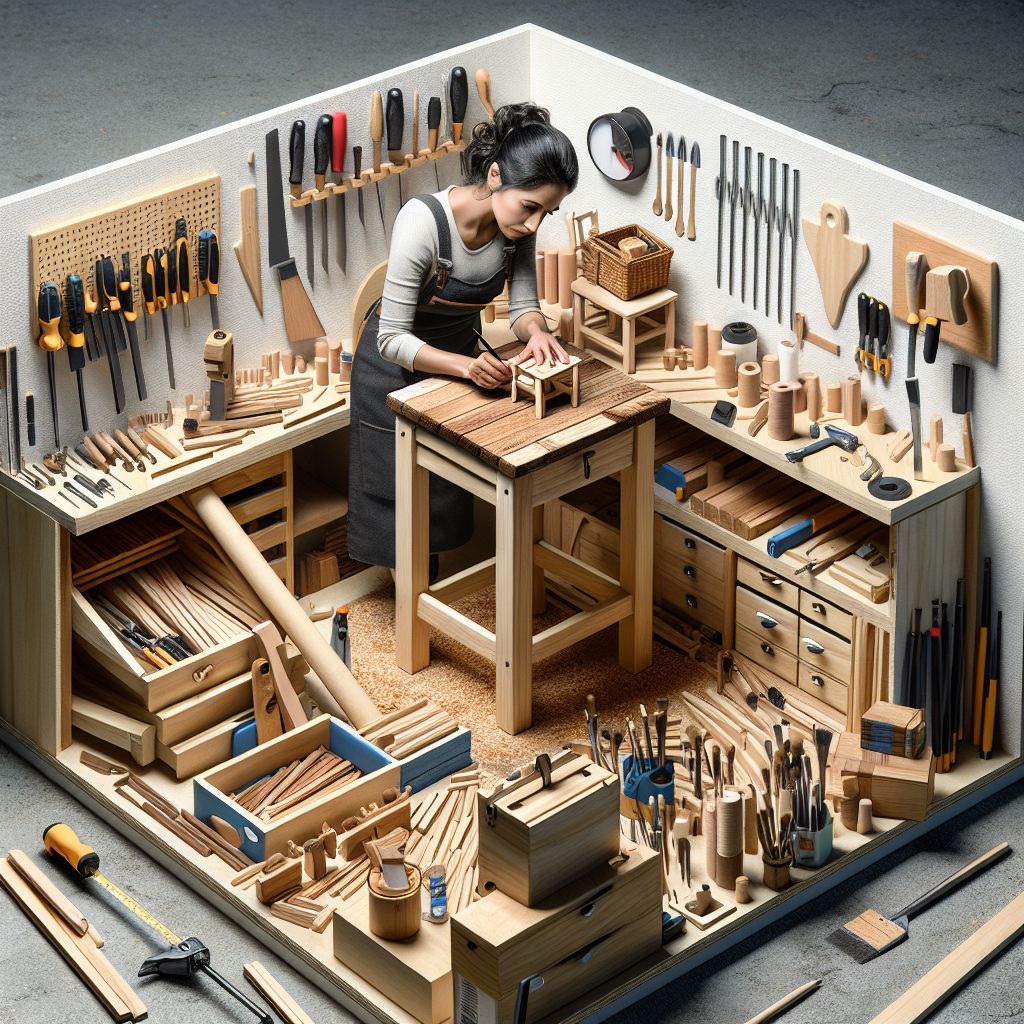
Effective storage is key to maintaining a clutter-free workspace. In a small area, every inch of space counts, so it’s important to utilize both vertical and horizontal space efficiently. Install wall-mounted tool racks to keep your tools easily accessible and off the work surfaces. Rolling carts can provide additional storage and can be moved around as needed, making them convenient for accessing tools and materials when working on different projects.
Organizing Work Area
Keeping your work area organized is essential for efficient woodworking. Clear clutter from workbenches to provide ample workspace for projects. Utilize magnetic strips for tool storage, as they keep your tools within reach and prevent them from getting lost or misplaced. Additionally, label and categorize materials and supplies to ensure easy identification and to prevent wasting time searching for specific items.
Planning and Designing Projects
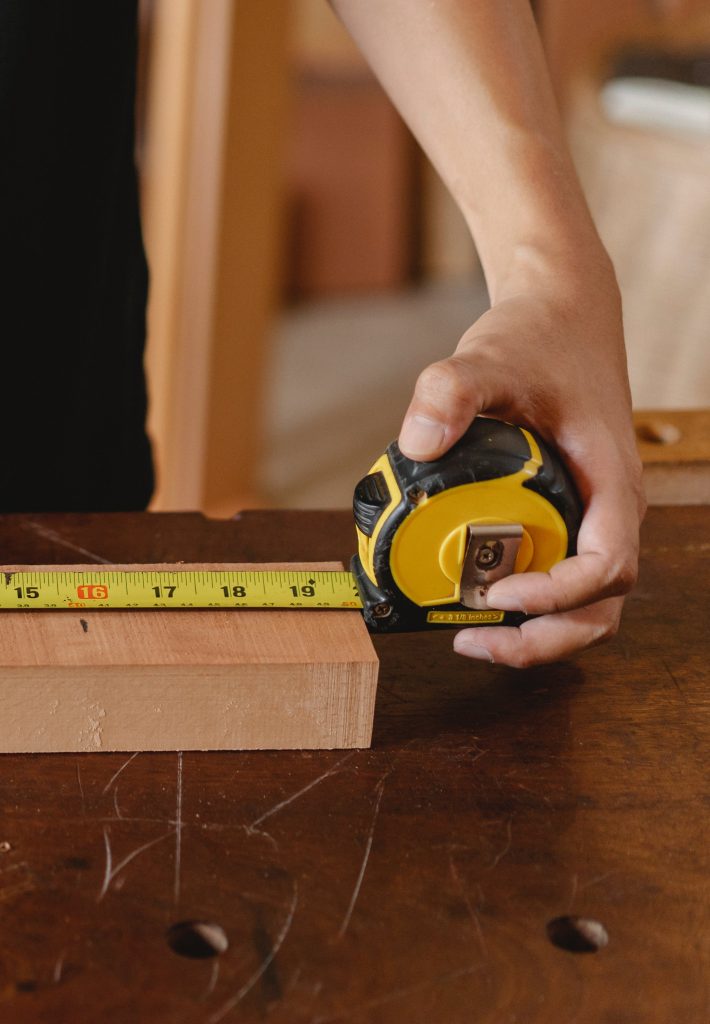
Before starting any woodworking project, it’s crucial to plan and design it thoroughly. In a small space, accurate measurements are even more important. Measure the available space precisely to ensure that your project will fit properly. Create detailed project plans that outline the necessary steps, materials, and tools, as this will help streamline the construction process. Consider modular or collapsible designs for furniture or structures that can be disassembled and stored when not in use, maximizing your space further.
Utilizing Small Woodworking Techniques
In a small space, it’s beneficial to employ specific techniques that are well-suited for working with limited materials and space. Jointing and planing smaller pieces of wood can help create accurate and precise results, even with limited workspace. Resawing techniques, where you cut a thick piece of wood into thinner stock, can help maximize the use of materials. Implement scroll saw or fretwork for intricate details, as these techniques can add a touch of elegance and beauty to your projects.
Working Safely in a Small Space
Safety should always be a top priority, regardless of the size of your workspace. When operating in a small area, it is crucial to ensure proper ventilation and lighting. Good airflow and adequate lighting will help you see clearly and breathe in fresh air while working. Wear appropriate safety gear, such as safety glasses and ear protection, to protect yourself from flying debris and loud noises. Finally, keep a fire extinguisher nearby to quickly and effectively address any potential fire hazards.
Making the Most of Limited Resources
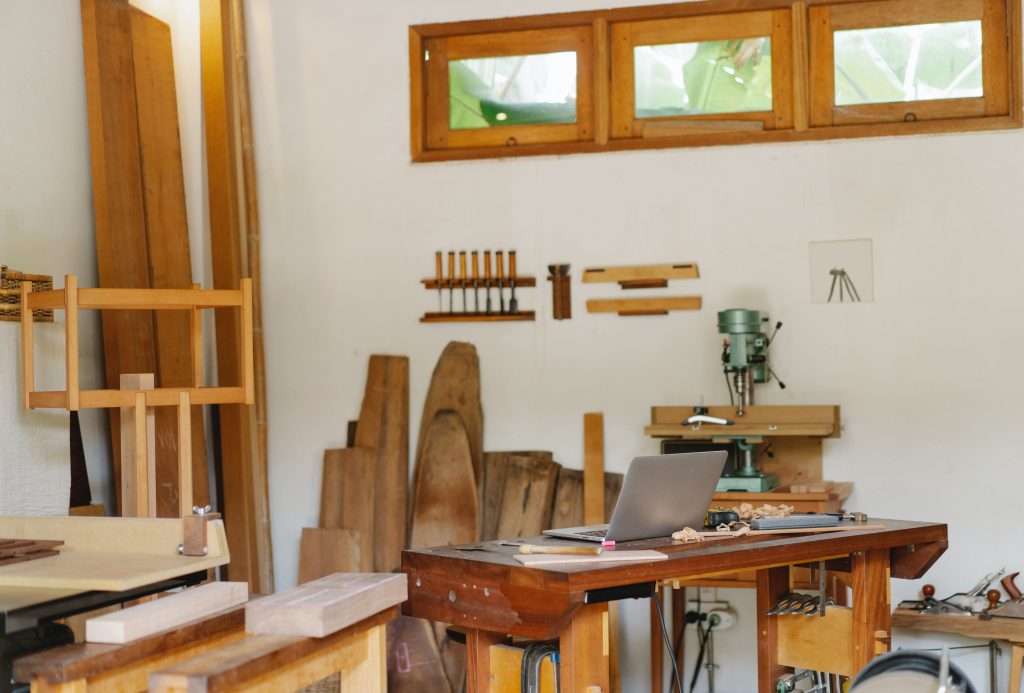
Woodworking can sometimes be an expensive hobby, but there are ways to work with limited resources in a small space. Instead of using solid lumber, consider using plywood or reclaimed wood, as they are often more affordable and readily available. Focus on smaller projects or work on sections of larger projects to make the most of your available materials. Additionally, repurposing and recycling materials can not only save you money but also add a unique and creative touch to your woodworking projects.
Establishing Workflow Efficiency
Efficiency is key when working in a small space. Planning the order of operations in advance will help you work systematically and avoid unnecessary movements. Create assembly jigs, which are specialized tools or fixtures that assist in repetitive tasks, to save time and ensure accuracy. Designate a dedicated finishing area where you can apply stains, paints, or protective coatings without disrupting other work areas.
Troubleshooting Common Challenges
Working in a small space can present some unique challenges. Limited workspace for assembly can be a common issue, but by carefully planning your project and utilizing portable workbenches or various clamping techniques, you can overcome this challenge. Dust collection and cleanup can also be problematic, but investing in a dust collection system and regularly tidying up can help mitigate the issue. Finally, addressing material storage constraints can be tackled by building vertical storage solutions or utilizing overhead storage racks to make the most of your available space.
Seeking Inspiration and Collaboration
Although you may be working in a small space, you don’t have to be limited in terms of ideas and inspiration. Join online woodworking communities where you can connect with other woodworking enthusiasts, share ideas, and gather inspiration for your own projects. Additionally, consider attending local woodworking classes or workshops to learn new techniques and connect with fellow woodworkers in your area. Drawing inspiration from small woodworking projects can often lead to innovation and unique creations that make the best use of your limited space.
In conclusion, small space woodworking presents its own set of challenges, but with careful planning, organization, and thoughtful use of tools and techniques, you can create big projects even in the tightest of spaces. By maximizing storage options, establishing an efficient workflow, and ensuring safety, you can enjoy the art of woodworking regardless of limited resources. So, get creative, embrace your small space, and start building remarkable woodworking projects today!