


Are you tired of staring at that old wooden furniture covered in layers of dried paint and varnish? Well, fret no more! In this article, you will learn some practical and easy-to-follow tips on how to strip away the unwanted layers from your wood surfaces. Say goodbye to the frustrating and time-consuming task of trying to remove paint and varnish, and say hello to a fresh start for your beloved wood pieces!

1. Understanding the Basics
When it comes to refurbishing wood furniture or surfaces, stripping the old paint and varnish is often the first step. Understanding the basics of why stripping is necessary, the safety precautions involved, and the different types of paint and varnish will help you get started on the right foot.
1.1. Why Strip Paint and Varnish?
Paint and varnish can deteriorate over time, leading to an unattractive appearance. By stripping off the old layers, you can reveal the natural beauty of the wood beneath and create a fresh canvas for refinishing. Stripping also ensures better adhesion and durability for any new paint or varnish you apply.
1.2. Safety Precautions
Stripping paint and varnish involves working with chemicals and potentially harmful substances. It is essential to prioritize safety while undertaking this task. Make sure to wear protective gear such as gloves, safety goggles, and a respirator to shield yourself from the fumes and potential skin irritation.
1.3. Types of Paint and Varnish
Understanding the different types of paint and varnish will help you choose the appropriate stripping method. Oil-based, latex, water-based, and shellac paints each require different approaches for effective removal. Similarly, varnishes can be oil-based, water-based, or polyurethane, necessitating varying stripping techniques. Familiarize yourself with the type of paint or varnish you are dealing with to ensure you use the most suitable method.
2. Tools and Materials You Will Need
Before embarking on your paint and varnish stripping endeavor, it’s crucial to gather all the necessary tools and materials. Having these on hand will make the process more efficient and enjoyable.
2.1. Protective Gear
Ensure you have a set of protective gear that includes gloves, safety goggles, and a respirator. These items will safeguard your health while working with stripping chemicals and dust particles.
2.2. Stripping Solutions
Depending on the type of paint or varnish you are removing, choose the appropriate stripping solution. You can find a variety of chemical stripping products available in the market. Select one that is specifically designed for the type of paint or varnish you need to strip.
2.3. Scrapers and Putty Knives
Scrapers and putty knives are essential tools for removing paint and varnish residues. Invest in a good-quality set that includes various sizes to tackle different surfaces and angles effectively.
2.4. Sandpaper and Sanding Block
Sandpaper and a sanding block will be required to smooth out the wood surface after stripping. Choose different grits of sandpaper to gradually refine the surface, starting with coarse grit and working your way up to a finer grit for a polished finish.
2.5. Heat Gun
For heat stripping, a heat gun will be your primary tool. Ensure you select a heat gun with temperature control settings to avoid damaging the wood due to excessive heat.
3. Preparing the Work Area
Preparing the work area is crucial to ensure a smooth and efficient stripping process. Taking the time to clear the space and create proper ventilation will contribute to a safe and successful project.
3.1. Removing Furniture and Covering Surfaces
Before you begin stripping, clear the area of any furniture or items you don’t want to be exposed to stripping chemicals or dust. Cover the remaining surfaces, such as floors and nearby objects, with drop cloths or plastic sheets to protect them from potential damage.
3.2. Proper Ventilation
Working with stripping chemicals can release strong fumes. It is essential to have proper ventilation in the work area to minimize inhaling these fumes. Open windows and doors, or use fans and exhaust systems to enhance airflow and remove any toxic vapors.
4. Surface Preparation
Before initiating the stripping process, take a close look at the wood surface to identify any areas that require special attention. Inspect for cracks, dents, or imperfections that will need to be patched and repaired before stripping.
4.1. Inspecting the Wood
Thoroughly inspect the wood surface to identify any areas with loose or flaking paint and varnish. Pay close attention to corners, edges, and intricate designs where old finishes tend to accumulate. Identifying these areas will help you focus your efforts during the stripping process.
4.2. Patching and Repairing
Use wood filler or putty to patch any cracks, holes, or damaged sections on the wood surface. Allow the filler to dry completely before proceeding to the stripping process. Smooth out the repaired areas with sandpaper to ensure a seamless final result.

5. Choosing the Right Stripping Method
There are various methods available for stripping paint and varnish from wood. Choosing the appropriate method depends on factors such as the type of paint or varnish, the condition of the wood, and your personal preference.
5.1. Chemical Stripping
Chemical stripping involves using stripping solutions to dissolve the old paint or varnish, making it easier to remove. This method is ideal for intricate surfaces and hard-to-reach areas, as chemicals can penetrate crevices effectively.
5.2. Mechanical Stripping
Mechanical stripping involves manual scraping or sanding to remove paint and varnish from the wood surface. This method is suitable for larger, flat areas where precision and control are essential.
5.3. Heat Stripping
Heat stripping utilizes a heat gun to soften the paint or varnish, making it easier to scrape off. This method is effective for thick layers of paint or varnish, but caution must be exercised to prevent scorching the wood.
6. Chemical Stripping
Chemical stripping is a popular and widely used method for removing paint and varnish from wood surfaces. By following the appropriate steps, you can achieve excellent results.
6.1. Applying the Stripping Solution
Begin by applying the stripping solution to the wood surface using a brush or an old rag. Ensure you follow the manufacturer’s instructions for application and safety precautions. Allow the solution to sit for the recommended time to effectively dissolve the paint or varnish.
6.2. Wait Time and Scraping
After the wait time specified by the manufacturer, test a small area to check if the paint or varnish has loosened. If it has, use a scraper or putty knife to scrape off the softened paint or varnish. Work in small sections, applying more solution as needed.
6.3. Neutralizing and Cleaning the Wood
Once you have removed the majority of the paint or varnish, use a neutralizing agent or water and a clean cloth to neutralize any remaining stripping solution on the wood surface. This step is crucial to prevent any residual chemicals from affecting the adhesion of new finishes. Follow up by cleaning the wood thoroughly with a mild detergent and water.
7. Mechanical Stripping
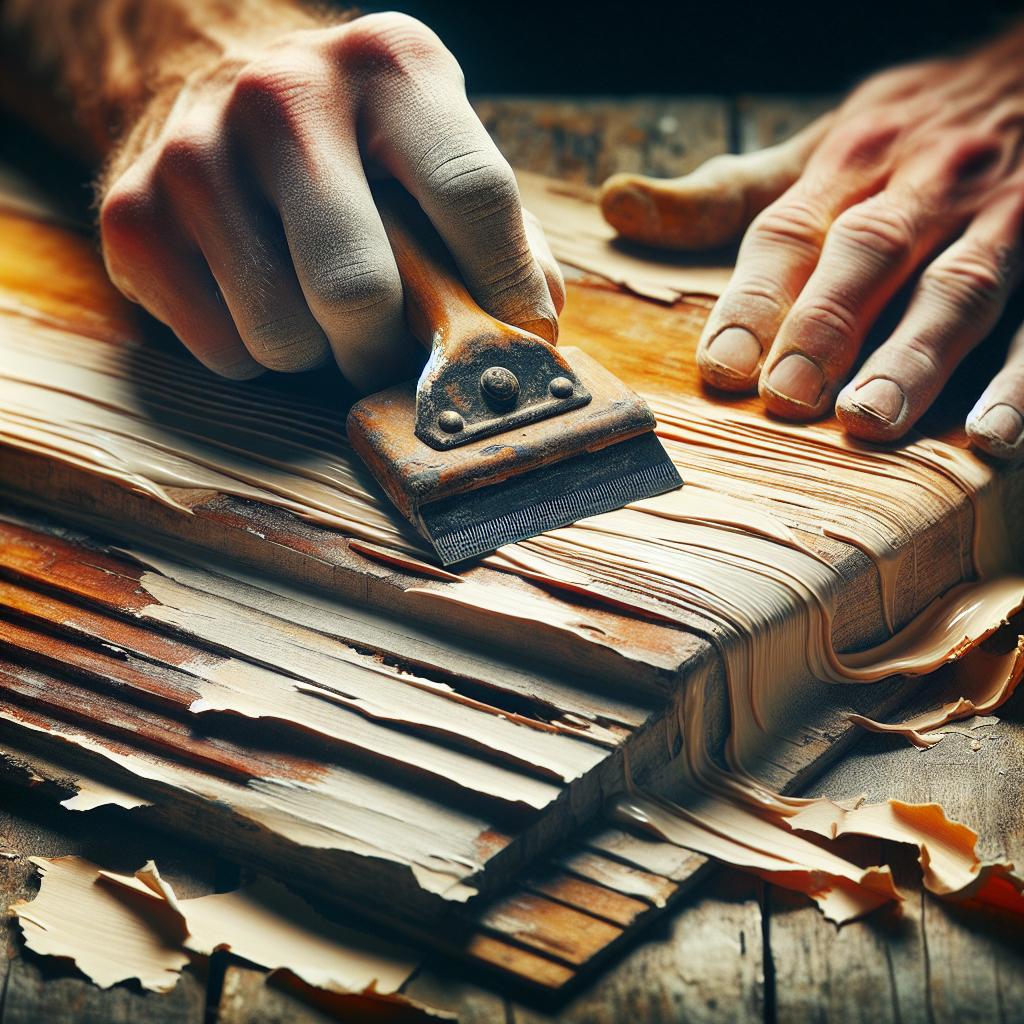
Mechanical stripping involves using manual tools to remove paint and varnish. This method allows for greater control and precision.
7.1. Using Scrapers and Putty Knives
Use a scraper or putty knife to gently scrape away the old paint or varnish from the wood surface. Hold the scraper at a slight angle and work in the direction of the grain. Be careful not to apply excessive pressure, as it can damage the wood.
7.2. Sanding the Wood
After scraping, use sandpaper or a sanding block to smooth out the wood surface further. Start with a coarse grit sandpaper and gradually move to finer grits for a polished finish. Sanding helps to remove any residual paint or varnish and prepares the wood for new finishes.
7.3. Power Tools for Stripping
If you have a large area to strip or prefer a faster method, power tools such as an electric sander or a paint stripper attachment for a drill can be used. These tools can expedite the process, but it’s important to familiarize yourself with their usage and use them cautiously to avoid over-sanding or damaging the wood.
8. Heat Stripping
Heat stripping employs the use of a heat gun to soften the paint or varnish, making it easier to scrape off. This method can be effective for stubborn or multiple layers of paint or varnish.
8.1. How Heat Stripping Works
The heat from the gun softens the old paint or varnish, causing it to bubble up or blister. This process weakens the adhesion, allowing you to scrape it away easily. However, it’s essential to exercise caution and avoid concentrating the heat on one spot for too long to prevent scorching the wood.
8.2. Using a Heat Gun
Hold the heat gun approximately 2-3 inches away from the surface and move it back and forth in a controlled manner. Be patient and allow the heat to penetrate the paint or varnish gradually. Once it starts to bubble, use a scraper or putty knife to scrape it off.
8.3. Scraping and Finishing Work
As you scrape off the softened paint or varnish, proceed in small sections and continue heating and scraping until the desired result is achieved. After heat stripping, sand the wood to remove any remaining residue and to ensure a smooth surface for new finishes.
10. Cleaning and Finishing
Once the stripping process is complete, it’s essential to prepare the wood surface for its new finish.
10.1. Removing Residue
Inspect the wood surface carefully for any remaining traces of paint, varnish, or stripping solution. Use a scraper or sandpaper to gently remove any leftover residues, taking care not to damage the wood.
10.2. Smooth Sanding
To achieve a flawless finish, sand the entire wood surface using fine-grit sandpaper or a sanding block. This step not only ensures a smooth feel but also helps to blend any patched or repaired areas seamlessly with the rest of the wood.
10.3. Protecting the Wood
Once the surface is clean and smoothed, it’s time to protect the wood with a suitable finish. Depending on your preference, you can choose to apply a primer followed by paint, or use varnish or a clear protective coat to preserve the natural beauty of the wood. Follow the manufacturer’s instructions for application and drying times to achieve the best results.
By following these steps and choosing the right stripping method, you can easily remove paint and varnish from wood surfaces, revealing their natural beauty and creating a fresh canvas for refinishing. Remember to prioritize safety by wearing protective gear and ensuring proper ventilation. With the right tools, materials, and techniques, you’ll be well on your way to successfully stripping and rejuvenating your wooden furniture and surfaces.